Hey there, stargazers! Ever felt like city lights are stealing your chance to see the cosmos? You’re not alone. Over 80% of North Americans can’t see the Milky Way from their backyards. Bummer, right? But guess what—hitting the open road can fix that. Let’s dive into the best USA routes where the night sky puts on a show so wild, you’ll forget Instagram exists.
Hit the Desert Highways: Southwest Wonders
Utah’s Scenic Byway 12 + Capitol Reef National Park
What’s up, adventurers? Utah’s Byway 12 is legit a stargazer’s dream. This 124-mile route winds through red-rock canyons and past Capitol Reef, a Gold-Tier Dark Sky Park. Pitch a tent at Fruita Campground—no big deal if you forget your telescope, because the naked eye works just fine here. Pro tip: Visit in October for crisp air and zero monsoon clouds. Oh, and keep an eye out for shooting stars—they’re basically the desert’s fireworks.
Arizona’s Route 66 + Grand Canyon Detour
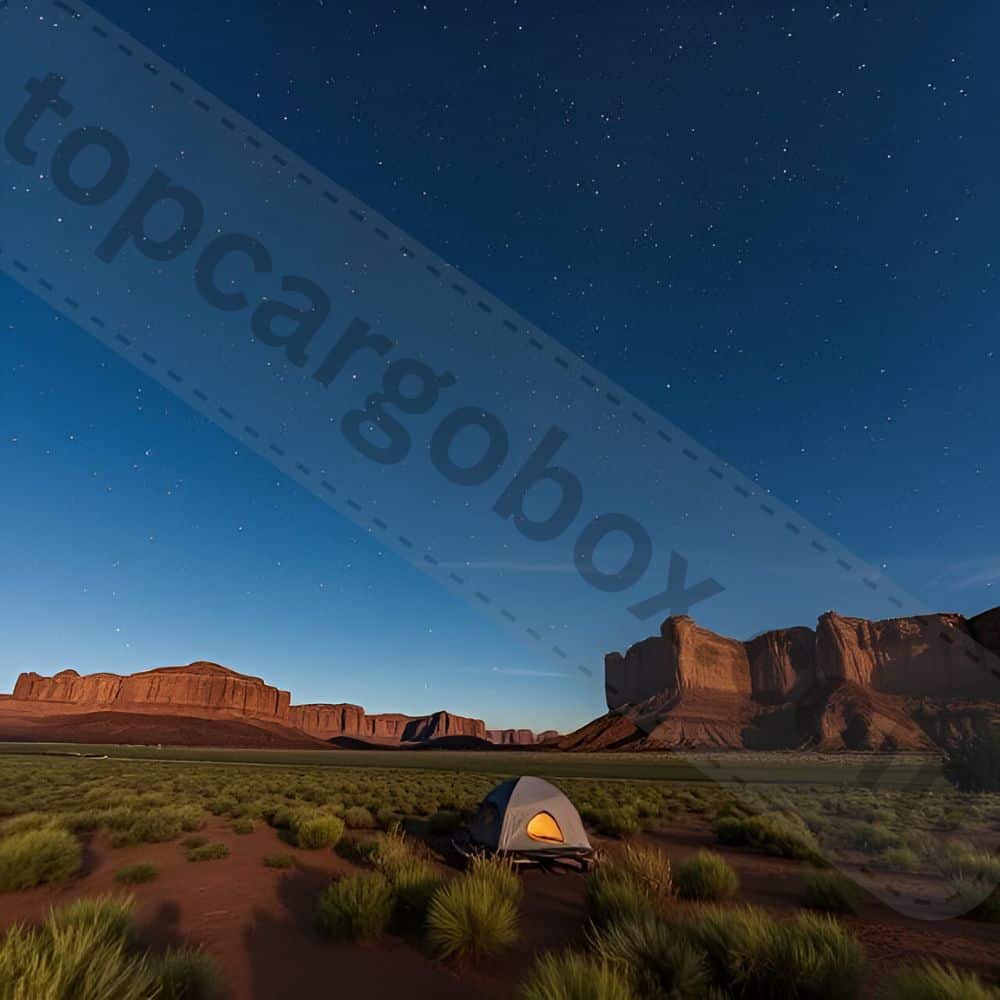
How’s it going, road trippers? Route 66 isn’t just for vintage vibes. Swing north to the Grand Canyon, where the South Rim’s stargazing programs blow minds. The park’s 1,900 square miles of darkness mean you’ll spot Saturn’s rings with a basic telescope. For real? Yep. Stay at Tuweep Campground for solitude—just don’t forget your headlamp. And hey, if you’re lucky, the Milky Way might photobomb your campfire selfies.
Coastal Cruising: Pacific Vibes
California’s Pacific Coast Highway + Big Sur
Dude, Big Sur’s cliffs + the Pacific Ocean = magic. Pull over at Julia Pfeiffer Burns State Park after sunset—the lack of light pollution here is next-level. August’s Perseid meteor shower turns the sky into a disco. Feeling under the weather? The sound of waves + starry skies = instant therapy. Just avoid summer fog by visiting in late fall. Trust me, your soul will thank you.
Oregon’s Outback Highway + Alvord Desert
Bro, Oregon’s Outback Highway is wild. This 130-mile stretch ends at the Alvord Desert, a remote playa where the sky feels close enough to touch. Park your ride, lay on your hood, and binge-watch constellations. Spring and fall offer clear skies, but winter brings the Aurora Borealis if you’re lucky. Pack a thermos of cocoa—it’s chilly, but totally worth it.
Midwest Magic: Underrated Dark Zones
Michigan’s Upper Peninsula + Lake Superior Shoreline
Yo, Michigan’s UP is low-key a stargazing gem. Head to Keweenaw Dark Sky Park, where Lake Superior mirrors the cosmos. Summer’s warm nights are perfect for spotting the Northern Lights—no way, right? But it’s true! August’s meteor showers pair well with s’mores. Just watch out for moose—they’re into stargazing too, apparently.
Minnesota’s Gunflint Trail + Boundary Waters
What’s the point of worrying about crowds when you’ve got Minnesota’s Boundary Waters? The Gunflint Trail’s 57-mile gravel road leads to lakes so isolated, the stars double as your GPS. Canoe by day, stargaze by night—summer’s the sweet spot. Pro move: Download a sky map app. You’ll need it to ID the 4,000+ visible stars here.
Southern Skies: Hidden Gems
Texas’ Big Bend National Park + River Road
Howdy, y’all! Big Bend’s River Road (FM 170) serves desert vistas and the darkest skies in Texas. The park’s 800,000 acres are certified “Gold Tier”—translation: galaxies galore. Spring breaks bring wildflowers and clear skies. Pitch a tent at Chisos Basin and wake up to sunrise over the Chisos Mountains. For real, it’s like the universe is showing off.
Florida’s Overseas Highway + Dry Tortugas
Wait, Florida? For real! The Overseas Highway ends at Key West, but hop a ferry to Dry Tortugas. This 100-square-mile park has zero light pollution. Winter months offer the clearest views of Orion’s Belt over the ocean. Snorkel by day, stargaze by night—old school paradise. Just don’t forget bug spray. Mosquitoes love stargazers too, apparently.
Mountain Majesty: High-Altitude Adventures
Colorado’s San Juan Skyway + Telluride
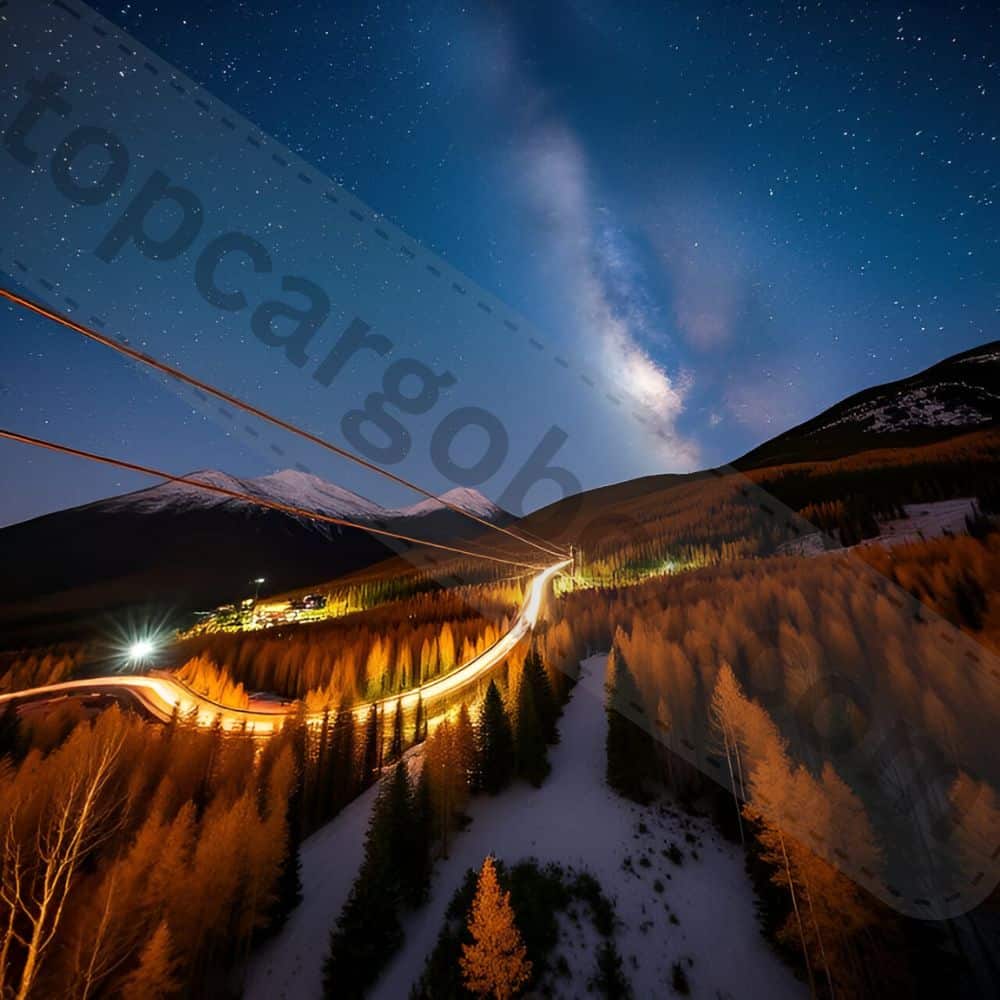
Sup, altitude junkies? The San Juan Skyway’s 233-mile loop includes Telluride, a Dark Sky Community. Ride the free gondola up Mountain Village at night—it’s like floating through stars. July’s warm nights are ideal, but September’s elk bugling adds drama. Bonus: The Milky Way reflects off alpine lakes. Insta-worthy? Duh.
Nevada’s Extraterrestrial Highway + Great Basin
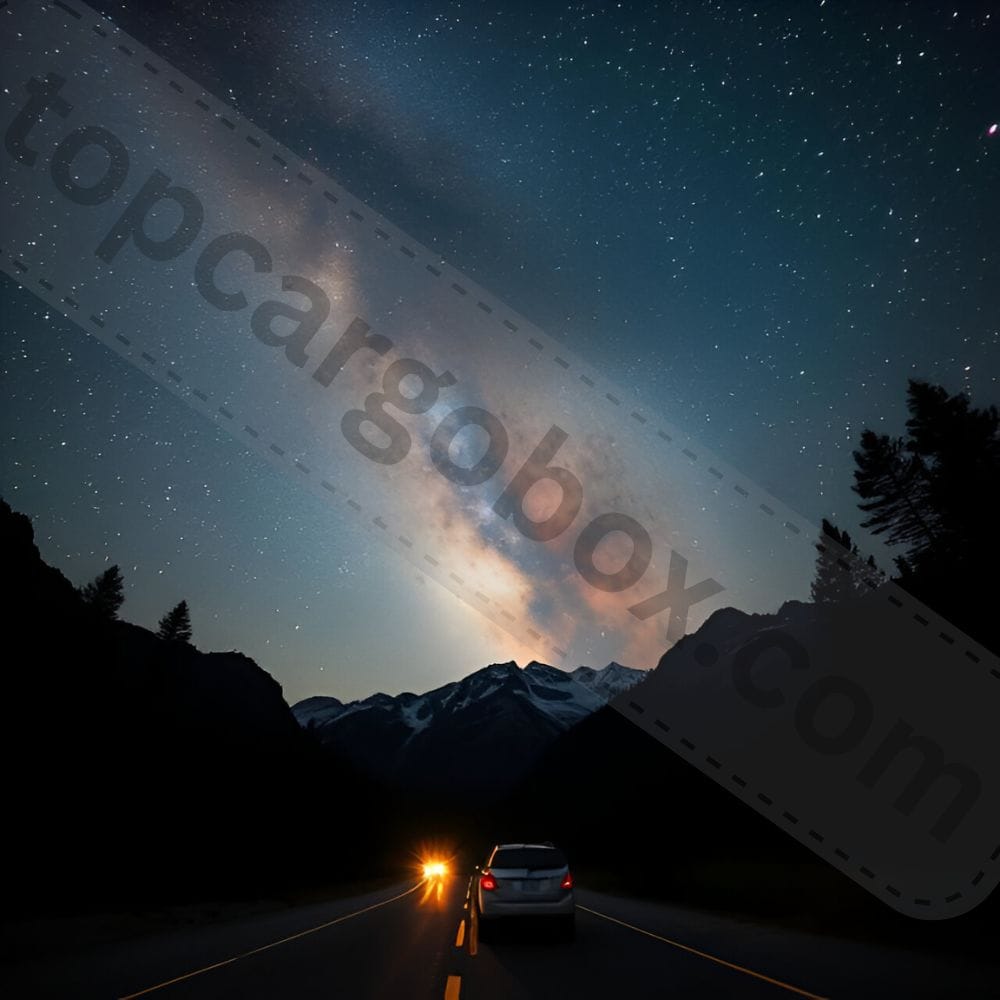
Aliens, bro! Nevada’s Highway 375 (aka “Extraterrestrial Highway”) is 98 miles of weirdness. Stop at Rachel, NV, for Area 51 lore, but stay for Great Basin National Park’s star parties. August’s astronomy festivals include telescope workshops. And yes, the Milky Way here is so bright, it’ll make you question reality.
Quick Guide: Road Trip Features
Route | Key Features | Best Time |
|---|---|---|
Utah’s Byway 12 | Gold-Tier Dark Sky Park, red-rock vistas | October |
Arizona’s Route 66 | Grand Canyon stargazing, meteor showers | April-Nov |
California’s PCH | Ocean cliffs, Perseid meteors | Late Fall |
Oregon’s Outback Highway | Alvord Desert solitude, Aurora sightings | Spring/Fall |
Michigan’s UP | Northern Lights, lake reflections | Summer |
Minnesota’s Gunflint Trail | Boundary Waters isolation, 4,000+ stars | June-Aug |
Texas’ River Road | Gold Tier certification, desert sunrises | March-May |
Florida’s Overseas Highway | Oceanic dark skies, winter constellations | Dec-Feb |
Colorado’s San Juan Skyway | Alpine lake reflections, Dark Sky Community | July-Sept |
Nevada’s Highway 375 | Star parties, Milky Way clarity | August |
Conclusion
So, ready to trade Netflix for nebulas? These road trips aren’t just drives—they’re escapes into the universe’s greatest show. Whether you’re chasing meteors in Arizona or dodging “aliens” in Nevada, the stars are waiting. Pack your sense of wonder (and a good playlist), and hit the road. The cosmos won’t disappoint.
FAQs: Stargazing Simplified
1. What’s the best US state for stargazing?
Arizona takes the crown, hands down. With spots like Grand Canyon and Flagstaff (the world’s first Dark Sky City), it’s got low humidity and high elevation—perfect for clear skies. Plus, Sedona’s red rocks under starlight? Unreal. Just avoid monsoon season (July-August), and you’re golden.
2. What month is best for stargazing?
August is MVP. Not only is the Perseid meteor shower popping off, but summer warmth makes camping comfy. That said, October and April are sneaky-good—less crowds, crisp air, and still-dark skies. Winter’s great too, but bundle up!
3. Which location type is best for observing stars?
Remote, high-altitude spots beat everything. Think deserts (low light pollution) or mountains (thin air = clearer views). National parks are clutch—they’re protected from city glow. Bonus if there’s water nearby; lakes mirror the cosmos like a boss.
4. How many dark sky cities are there in the US?
Over 35 and counting! From Flagstaff, AZ, to Borrego Springs, CA, these towns enforce strict lighting laws. They’re legit havens where streetlights don’t ruin the vibe. Check the International Dark-Sky Association’s list—it’s updated yearly.
5. Where’s the clearest night sky in the US?
Mauna Kea, Hawaii. At 13,796 feet, it’s above 40% of Earth’s atmosphere—so stars don’t twinkle, they burn. Plus, Hawaii’s isolation means zero light pollution. Just acclimate to the altitude first, or you’ll be gasping for air (not just awe).

Our team is creating outdoor-gear relevant articles with passion. If our articles can help you to find the correct solutions for your questions, we will be happy about that. In the content creation process, we usually collect accurate and useful information online or offline to compile our content in an organized way. Consequently, we can guarantee that you can discover some expected answers to your questions. We appreciate your time on our site.