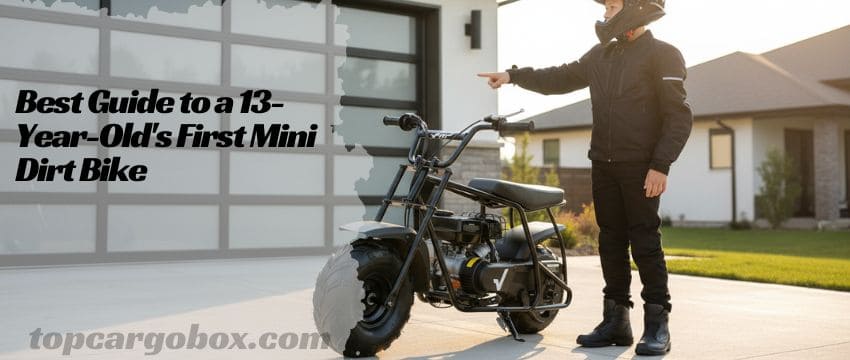
How’s it going? So, your teenager has hit you with the question. You know the one. They’ve seen videos online, a friend has one, and now they’re looking at you with those hopeful eyes, asking for a mini dirt bike. Your mind is probably racing with a mix of excitement for them and a healthy dose of parental panic. I get it, totally. The thought of your kid on a motorized machine can be downright terrifying. Images of scraped knees and worst-case scenarios might be flooding your brain.
But what if I told you that with the right knowledge and preparation, this could be one of the most awesome, character-building experiences you can share with your 13-year-old? For real. We’re talking about teaching responsibility, building confidence, and creating memories that last a lifetime. This guide is here to walk you through every single step, from calming your nerves to picking the perfect bike. We’ll talk safety, gear, features, and even use a real-life example, like the popular FRP GMB100 mini bike, to make it all crystal clear. So, take a deep breath, and let’s dive in together. You’ve got this.
Why a Dirt Bike is Actually a Fantastic Idea for Your 13-Year-Old
Before we get into the nuts and bolts of brakes and engine sizes, let’s talk about the “why.” Isn’t it obvious that we sometimes focus only on the risks? Sure, there are risks, but the benefits are pretty incredible, too. At 13, your kid is at a perfect age for this kind of challenge. They’re developing coordination, seeking independence, and are more capable of understanding and following complex instructions than a younger child. Learning to operate and care for a machine like a dirt bike teaches mechanical empathy and responsibility in a way that few other activities can.
Think about it. They have to learn the pre-ride checklist, just like a pilot. They have to maintain the bike, understanding that if they don’t take care of it, it won’t work for them. That’s a legit life lesson right there. Furthermore, it gets them outside, away from screens, and engaged in physical activity that builds core strength, balance, and reflexes. The sense of accomplishment they’ll get from mastering a new skill, like successfully navigating a tricky trail for the first time, is absolutely priceless. It builds a type of confidence that is hard to find elsewhere.
Safety First, Second, and Third: The Non-Negotiable Stuff
Okay, let’s get real about the big one: safety. This is the part that probably keeps you up at night, and that’s exactly how it should be. Your concern is what will make this a successful, positive experience. Safety isn’t just about one thing; it’s a combination of the right gear, the right training, and the right mindset. You can’t just hand them the keys and say “have fun.” That’s a recipe for disaster, and we’re not about that.
Imagine trying to learn to drive a car without seatbelts, airbags, or a licensed instructor in the passenger seat. You wouldn’t do it, right? The same logic applies here, times ten. The foundation of all dirt bike safety is high-quality, properly fitted protective gear. This is not the area to cheap out or buy a size too big so they can “grow into it.” Every single time they swing a leg over that bike, they need to be suited up like a knight in shining armor. We’ll break down the essential armor in the next section.
The Head-to-Toe Gear Checklist: Your Kid’s Personal Armor
Alright, let’s talk gear. This is where you make your first and most important investment, even before you buy the bike itself. If the budget is tight, it’s better to buy a less expensive bike and top-quality gear than the other way around. No exceptions. This gear is what stands between your child and a serious injury. Let’s go through it piece by piece, from the most critical to the absolutely essential.
First up, the helmet. Dude, this is the big one. You need a full-face motorcycle helmet that is DOT-certified at a bare minimum, but honestly, look for one that is also Snell certified. What’s the difference? Off the top of my head, Snell standards are independently tested and often more rigorous. A full-face design protects not just their skull but their jaw and teeth. I mean, have you seen an orthodontist’s bill lately? That’s crazy! A good fit is crucial—it should be snug but not painful. Next are boots. Don’t even think about letting them ride in sneakers. You need purpose-built motocross boots. They protect ankles from twists and feet from impact, and they have grippy soles. They are rigid for a reason!
Now, for the rest of the body. A chest protector is like a shield for their torso, guarding ribs and vital organs from roosted rocks or a fall. Goggles are a must to protect their eyes from dirt, dust, and bugs. Trust me, getting a pebble in your eye at 20 miles per hour is no joke. Then you have gloves for grip and hand protection, and durable, long-sleeved jersey and pants, usually made of a material that breathes but also resists abrasion. Finally, don’t forget kidney belts for back support and knee/shin guards. Sounds like a lot? It is. But seeing your kid get up from a tumble unharmed because they were geared up? That’s a feeling of relief you can’t put a price on.
Choosing the Right Bike: It’s Not Just About Color
So, you’re committed to the safety gear. Awesome. Now, let’s find the actual machine. This is where it gets fun, but also a bit technical. How do you sift through all the options? You’ll see a bunch of numbers and acronyms, but it’s not as complicated as it seems once you know what to look for. The main things to consider are the engine size, the physical size of the bike, the power source, and the build quality. Getting this wrong can mean buying a bike that’s either too wimpy and gets boring fast, or way too powerful and dangerous.
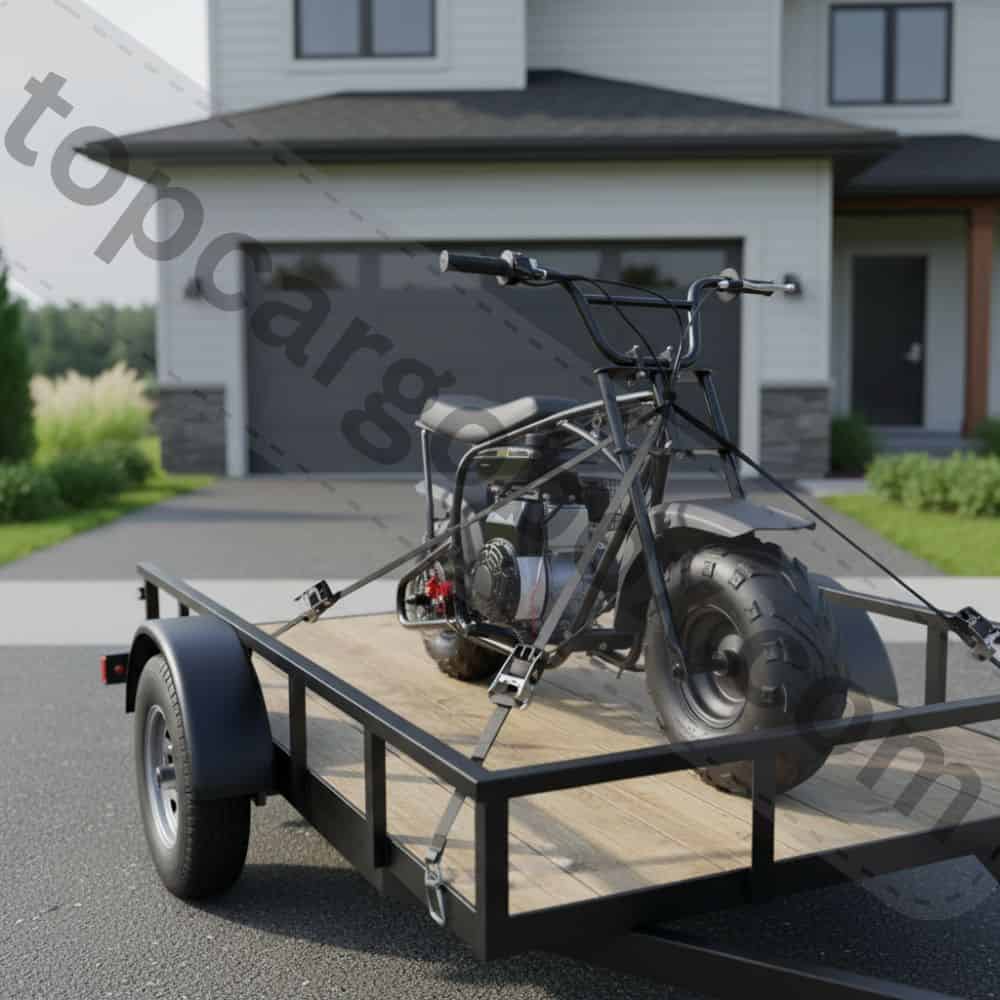
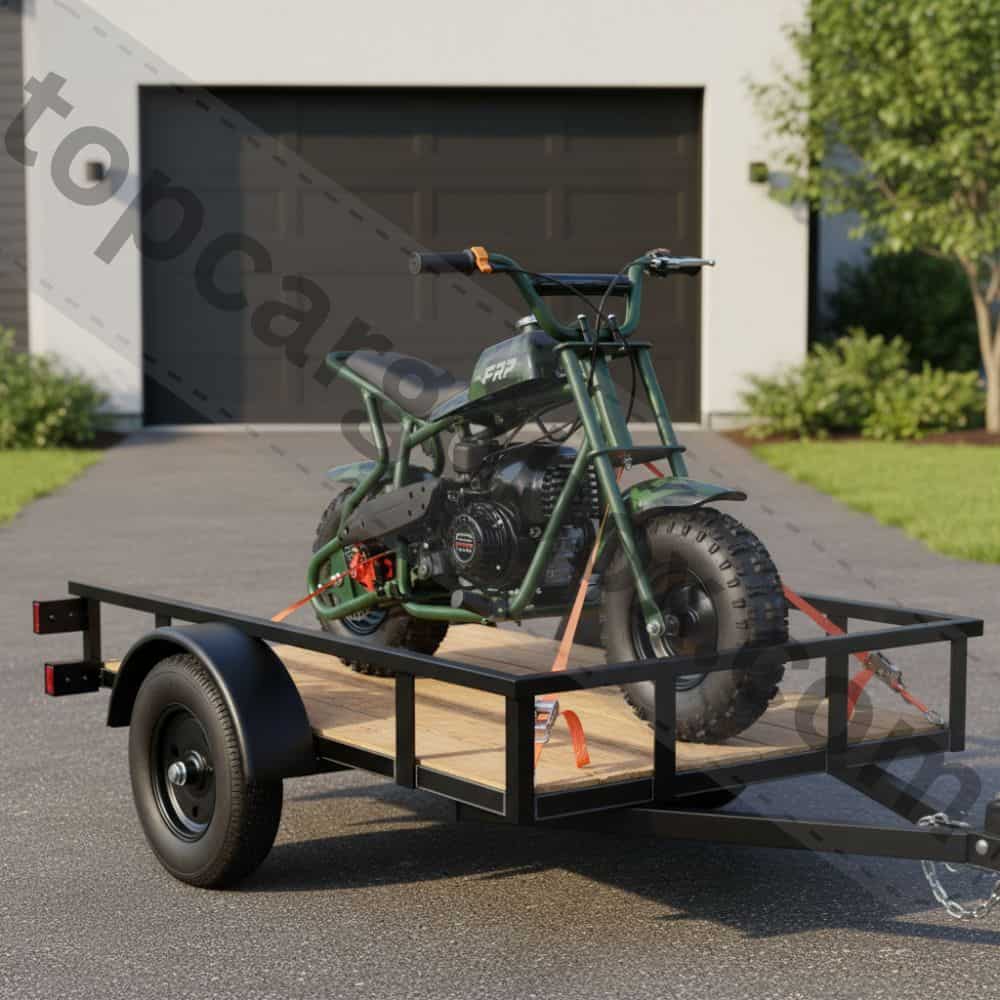
Let’s use a concrete example to make this easier. Take the FRP GMB100 Basic, a very popular model for this age group. We can break down its features and see why it might be a contender. First, the engine. It’s a 99CC 4-stroke. What does that even mean? A 4-stroke engine is generally more forgiving for a beginner. It has a smoother, more predictable power delivery and, crucially, you don’t have to mix oil with the gas. The FRP description specifically says “No Mixing Oil Needed,” which is one less thing for you and your kid to worry about. Its power output is a manageable 3HP, and its top speed is listed at up to 28 mph. That’s plenty fast enough to feel thrilling for a 13-year-old but, with proper supervision, is within a manageable range.
Now, let’s look at the physical dimensions and weight. The FRP GMB100 is 50 x 26 x 33 inches and has a net weight of 79.5 lbs. This is a critical detail. The bike needs to be light enough that your teen can maneuver it, pick it up if (and when) they drop it, and not feel completely overwhelmed. A bike that’s too heavy can be its own safety hazard. The seat height is just as important as the overall size. You want your child to be able to plant both feet flat on the ground when sitting on it. This gives them stability and confidence when starting and stopping. The listed weight capacity is 220 lbs, which means it can handle your growing teen and has a bit of room for you to try it out, too. No way you’re not going to take it for a spin, right?
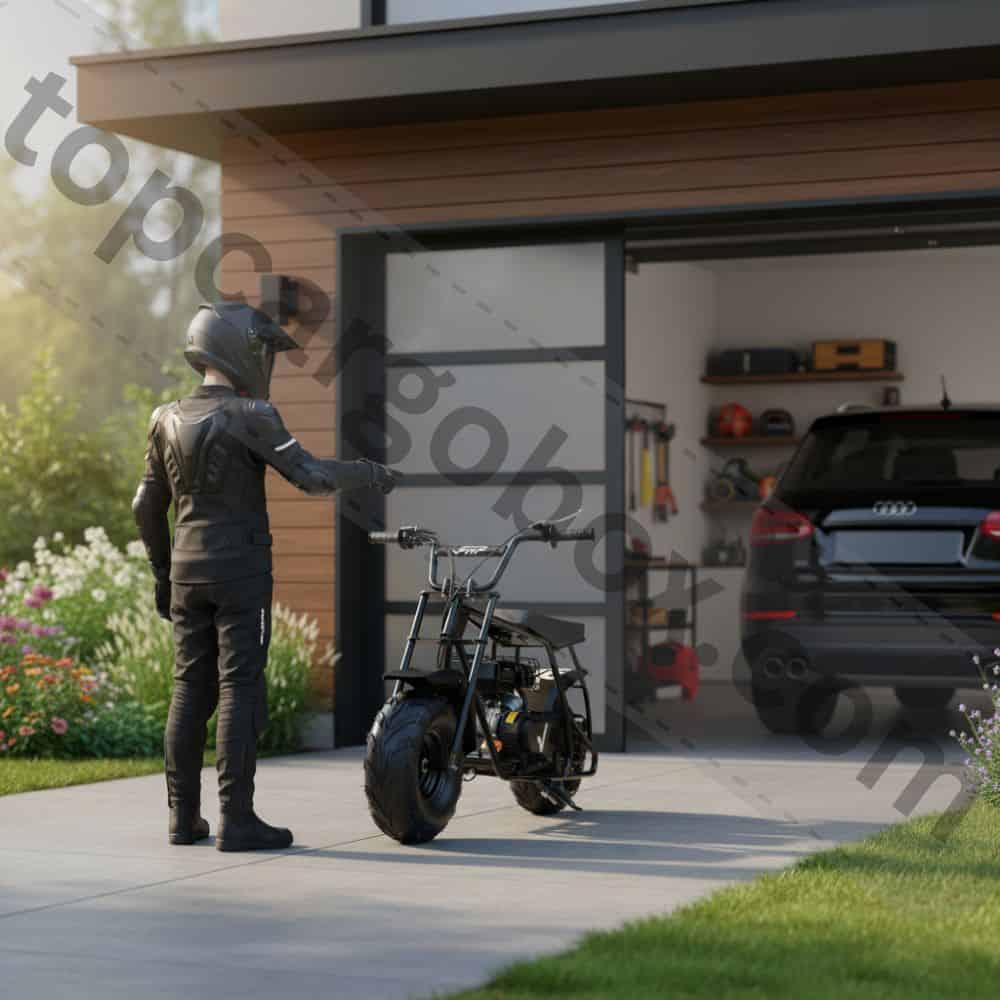
Here’s a quick table of the main specs for a bike like the FRP GMB100, so you know what you’re looking at:
| Feature & Specification Breakdown |
|---|
| Engine Displacement: 99CC |
| Engine Type: 4-Stroke, Gas Powered |
| Horsepower: 3HP |
| Top Speed: Up to 28 mph |
| Weight Capacity: 220 lbs |
| Bike Net Weight: 79.5 lbs |
| Dimensions: 50″ L x 26″ W x 33″ H |
| Brake Style: Rear Disc Brake |
| Suspension: Rigid |
| Fuel Capacity: 0.36 Gallons |
| Estimated Range: ~30 Miles |
Competitors:
Oryxearth
Detail
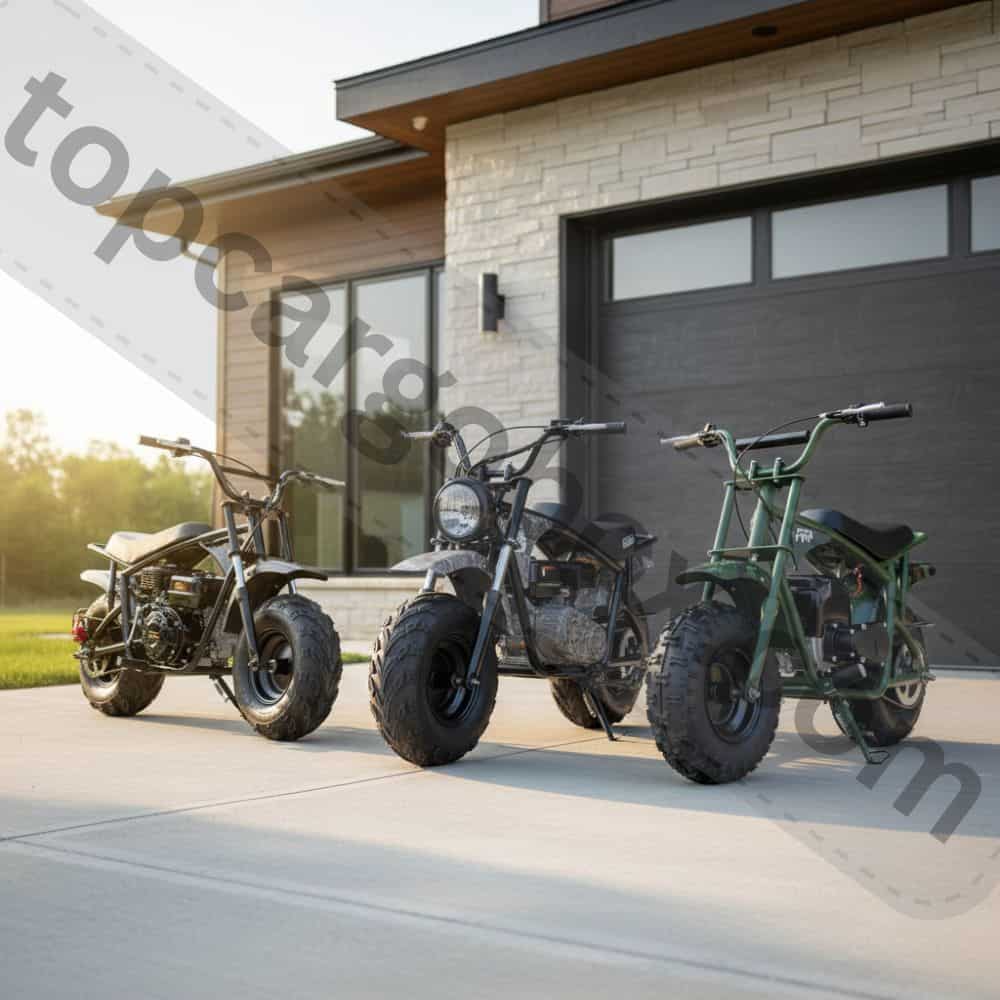
Alright, so you’re probably wondering if this Oryxearth mini bike has the right stuff for your teen, right? How’s it going? Let’s get straight into it. This isn’t some wimpy toy; we’re talking about a legit 105cc 4-stroke engine that packs a solid 3.5 horsepower, giving you that full-day riding fun without constantly guzzling fuel—just make sure you’re feeding it the good stuff, which is gasoline with an octane rating of 87 or higher, and please, no ethanol. What’s awesome is that it’s built to handle a rider from about 4.27 feet all the way up to 5.9 feet tall and can support a weight of up to 185 pounds, so it’s not just for the kids; you might get a kick out of it too, if you’re feeling it. They really thought about safety and smooth operation, equipping it with a reliable rear disc brake that stops on a dime and a fully automatic chain transmission system so you don’t have to fuss with shifting gears—pretty chill, right? And get this, assembly is no big deal; it comes 90% pre-assembled, so you’re basically just putting on the handlebar clamp and the front tire, which is a relief for anyone who’s ever battled with a confusing instruction manual. For real, you get some peace of mind with a 60-day parts warranty and even a 90-day engine warranty, and if there’s a quality problem, they’ll sort you out with a free return label. To top it off, the wide, low-pressure pneumatic tires and that front suspension are there to soak up bumps, making rough terrain feel a lot less rough, and the simple pull-start means you’re not dealing with any complicated ignition drama. Nice try, other bikes, but this one’s got the whole package.
FRP DB003
Detail
Now, if you’re looking at something a bit more entry-level for your young teen, check out this FRP DB003 model—it’s a 50cc 2-stroke machine that’s seriously straightforward. First thing you’ll wanna know is the size; this bike measures in at over 40 inches long and 21 inches high, and it’s designed to support a rider up to 160 pounds, so it’s perfect for a younger or smaller rider just getting their feet wet. What’s really nice is that this 2-stroke engine is EPA approved and runs clean without you having to mix the oil and gas—that’s one less headache for you, right? It’s got a max speed of 18 mph, which is plenty fast enough to feel exciting but is a much more manageable introduction to power sports, and that little 0.32-gallon tank can get you up to 27 miles of trail time, which is legit for a full afternoon of fun. The build is all about durability with its alloy steel frame and a rear disc brake that gives you solid stopping power, and those low-pressure knobby tires just eat up rough ground for a smoother ride. And I get it, buying something like this online can feel like a gamble, but they back it with a 60-day warranty and will even send you a pre-paid return label if there’s an issue—no big deal.
Coleman
Detail
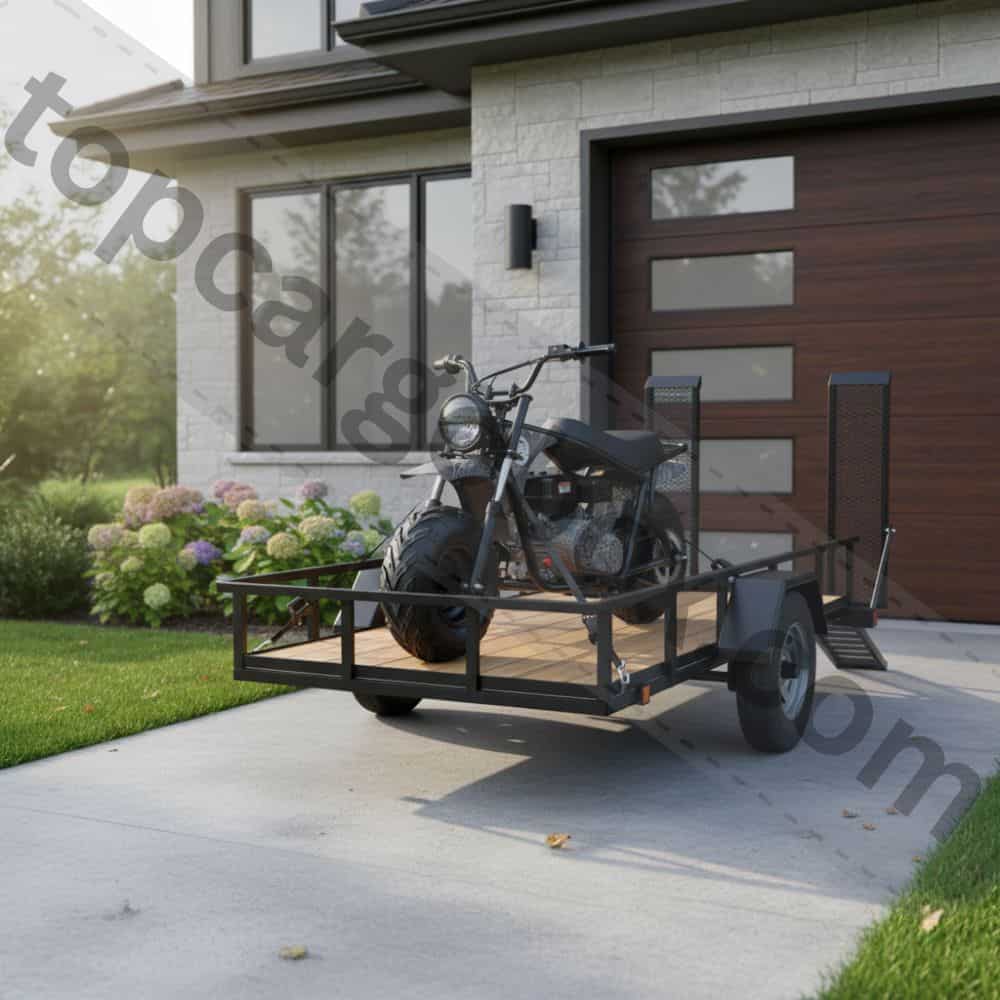
Alright, so you’re probably looking for a minibike that doesn’t just talk the talk but can actually handle some real adventure, right? What if you had a machine with a 196cc 4-stroke engine that’s basically a total workhorse, giving you the grunt to tackle rough trails without breaking a sweat, and its clever overhead valve design means you get more power out of every drop of gas, which is pretty awesome for your wallet. I get it, you need something built to last, and this one’s got a heavy-duty steel frame that can take the punches year after year, so you’re not constantly fixing things. And let’s talk comfort—ever been on a bike that rattles your teeth out on bumpy ground? Yeah, that sucks, but this one comes with a double shock absorber and those low-pressure tires that work together to smooth out the vibrations, giving you a chill ride even when the terrain gets nasty. How’s it going to help you if you’re out past dusk? The bright headlight isn’t just for show; it makes those evening rides safer, and the simple pull-start mechanism means you’re not fighting with a cord to get going. For real, whether it’s for you or your teen, the fact it can handle a rider up to 200 pounds means it’s legit for almost anyone in the family to hop on and have a good time.
Mini Dirt Bike Comparison Guide
Feature | FRP GMB100 Basic | Oryxearth 105cc | FRP DB003 50cc | Coleman Powersports B200C |
|---|---|---|---|---|
Engine & Power | 99cc, 4-Stroke, 3HP. No oil/gas mixing required. Strong, predictable power. | 105cc, 4-Stroke, 3.5HP. A bit more power for growing teens. No oil/gas mixing. | 50cc, 2-Stroke. 1.4HP. EPA approved with no oil/gas mixing, which is rare for a 2-stroke. | 196cc, 4-Stroke, OHV engine. The most powerful option by far, built for larger riders and tougher terrain. |
Top Speed | Up to 28 mph. A thrilling speed for a confident beginner. | Up to 24 mph. A solid, manageable speed for most teens. | Up to 18 mph. A safer, introductory speed perfect for first-time riders. | Up to 23 mph. Governed for control despite its large engine size. |
Weight & Size Capacity | Supports up to 220 lbs. Net bike weight: 79.5 lbs. | Supports up to 185 lbs. Best for riders from 4.27 ft to 5.9 ft tall. | Supports up to 160 lbs. A compact, lighter bike for smaller teens. | Supports up to 200 lbs. A robust frame designed for both teens and adults. |
Key Safety & Performance Features | Efficient chain tension system to prevent slips. Rear disc brake. Rigid suspension for simplicity. | Rear disc brake. Front suspension only. Automatic transmission. Low-pressure tires for traction. | Rear disc brake. No suspension. Automatic chain drive. Low-pressure knobby tires. | Double shock absorbers and low-pressure tires for a smooth ride. Bright headlight for safety. |
Best For & Vibe | The all-rounder for a 13+ year old ready for real power and longer adventures. Great for growth. | The stylish step-up for a teen who’s outgrown beginner bikes but doesn’t need max power. | The perfect first dirt bike for a younger or smaller teen to learn the fundamentals safely. | The heavy-duty workhorse. Ideal for older teens, adults, or anyone wanting a ultra-durable, comfortable ride. |
Assembly & Warranty | Requires assembly. Comes with a tool kit and a solid 75-day parts warranty. | 90% pre-assembled. Comes with a 60-day parts and 90-day engine warranty. | Requires assembly. Backed by a 60-day warranty with a pre-paid return label option. | Requires typical assembly. Warranty details are typically handled through Coleman Powersports. |
Fuel & Range | 0.36-gallon tank for up to 30 miles of range. | 0.32-gallon tank. Requires 87 octane or higher (non-ethanol) fuel. | 0.32-gallon tank for up to 27 miles of range. Uses 10W-40 oil. | Fuel capacity not specified, but the large engine is designed for extended off-road use. |
Breaking Down Your Mini Dirt Bike Options
Alright, let’s get into the nitty-gritty of these four bikes. I know it can feel overwhelming trying to figure out which one is the right fit, so let’s hang out and compare them feature by feature. We’ll look at who they’re really made for, what makes them tick, and where they might have a few drawbacks. By the end, you’ll have a crystal-clear picture.
FRP GMB100 Basic: The Confident Beginner’s Choice
How’s it going for the parent of a taller or more adventurous 13-year-old? The FRP GMB100 is legit built for that. Its core advantage is its straightforward, robust design centered around a 99cc 4-stroke engine that delivers a top speed of 28 mph. The fact that it requires no oil mixing is a huge plus for minimizing maintenance headaches. It’s constructed with a solid, rigid frame made of alloy steel, which is simple and durable, though the rigid suspension means you’ll feel more bumps on rough terrain—that’s a definite trade-off for the lower cost and simplicity. The technology highlight here is the efficient chain tensioning system, which is a legit smart feature that prevents the chain from falling off and makes the ride smoother and safer. With a weight capacity of 220 lbs, it’s the only bike on this list that can comfortably accommodate a larger teen or even an adult, giving it great longevity. The installation is pretty standard, requiring you to put together components like the front wheel and handlebars with the included tool kit. The main disadvantage? That rigid suspension can make for a jarring ride on anything but relatively smooth trails.
Oryxearth 105cc: The Stylish Middle Ground
What if your teen wants a bit more pep but isn’t ready for a full-powered adult bike? The Oryxearth 105cc tries to hit that sweet spot. Its 105cc 4-stroke engine is the most powerful in the “mini” category here, producing 3.5HP, yet it curiously has a governed top speed of 24 mph, which is actually lower than the FRP GMB100. That’s not necessarily a bad thing; it means more power for climbing hills without an overwhelmingly high top speed. Its frame is made from carbon fiber, which sounds awesome and helps keep the weight down, but it only has front suspension, so the rear end can still be a bit bumpy. A cool design feature is that it comes 90% pre-assembled, making your setup job a total breeze—you basically just attach the handlebars and front tire. The major disadvantage, off the top of my head, is its lower weight capacity of 185 lbs. This means a larger teen might outgrow it faster, and it offers less wiggle room than the FRP. It’s a great bike for a rider who is done with beginner bikes but still needs a manageable size and power profile.
FRP DB003 50cc: The True Starter Bike
Are you looking for the absolute safest entry into the world of dirt bikes for a younger or smaller teen? The FRP DB003 50cc is your answer. This is the most beginner-focused model of the bunch. Its 50cc 2-stroke engine is the smallest here, with a low 1.4HP output and a top speed capped at 18 mph. For real, this is the speed that lets a kid learn control and build confidence without being terrified. The huge advantage for a 2-stroke is that it’s EPA-approved and doesn’t require oil mixing, which is almost unheard of and removes a major point of complexity. The frame is alloy steel, but it has no suspension at all, so the ride will be firm and is really only suitable for very smooth trails or fields. Its biggest limitation is the 160 lb weight capacity, meaning your kid will likely outgrow it physically within a few years. The installation is similar to the other FRP model, and it also comes with a good warranty. This bike sucks at high-speed trail riding, but that’s not its job—its job is to be a safe, forgiving first bike, and it does that brilliantly.
Coleman Powersports B200C: The Heavy-Duty Workhorse
Now, what if you need a bike that feels like it can handle just about anything you throw at it? The Coleman B200C is in a different league in terms of raw engine size. Its massive 196cc 4-stroke OHV engine is almost twice the size of the next largest one here. How do they manage the power? By governing the top speed to a very reasonable 23 mph. This bike isn’t about sheer speed; it’s about torque, durability, and ride comfort. The design is all about handling rough terrain, thanks to its double shock absorbers in the rear—a feature none of the other bikes have—and low-pressure tires. The steel frame is built to last, and it supports up to 200 lbs. The advantage is clear: it’s the most comfortable and capable for true off-roading. The disadvantages? It’s likely the heaviest and bulkiest, making it harder for a small teen to maneuver or pick up. It’s also less of a “mini” bike and more of a small adult bike. The installation is standard, but the brand, Coleman Powersports, is a well-known and trusted name in the powersports world, which adds a layer of consumer confidence.
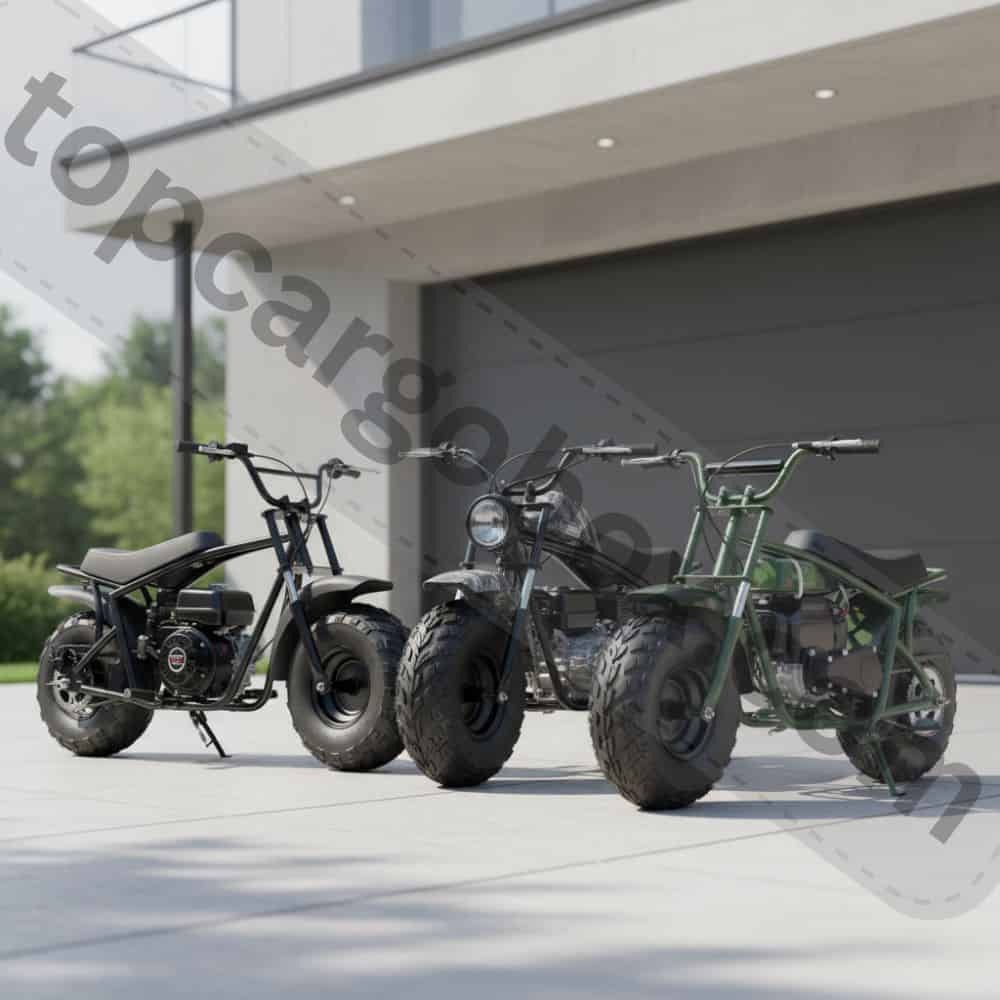
So, Which One is Truly the Best for Kids?
This is the big question, right? And the answer totally depends on what you mean by “kids.” If you’re talking about a first-time rider, around 10-13 years old, who is on the smaller side and has never been on a motorized bike before, the FRP DB003 50cc is objectively the safest and most appropriate choice. Its low power, limited top speed, and light weight are all designed to protect a novice rider while they learn. It’s the training wheels of the dirt bike world.
However, if your “kid” is a confident 13-year-old who is taller, has some experience, or you want a bike they won’t outgrow in a year, the FRP GMB100 Basic is probably the best overall value and the most versatile choice. Its higher weight capacity and robust 4-stroke engine offer room to grow and more thrilling adventure potential, while its speed is still within a manageable range for a supervised teen. For real, it strikes the best balance between excitement and responsibility for the average family. The Coleman is awesome but is overkill for most teens, and the Oryxearth is a solid choice if your rider is firmly within its size and weight limits. Fair enough?
Decoding the Tech: What Do All These Bike Features Mean?
You’re looking at the table and the product description, and you see terms like “rigid suspension” and “chain tensioning system.” Let’s break those down in plain English so you feel like an expert. Starting with “Rigid Suspension.” This basically means the frame doesn’t have any fancy shock absorbers (like a full-size dirt bike has). It’s a simpler, more old-school design. For a beginner bike on relatively smooth trails, this is totally fine and helps keep the cost down. But, fair enough, if your kid plans to ride on really rough, bumpy terrain, you might later want to look at bikes with full suspension. For starting out, rigid is legit.
Now, the “Efficient Chain Tension” feature the FRP touts is actually a bigger deal than it sounds. A loose chain can fall off or cause the bike to jerk, which can be scary and dangerous for a new rider. A good tensioning system that “prevents chains fall off with varying load weights” is a huge plus for safety and reliability. It means one less mechanical thing for you to constantly adjust and worry about. Then there’s the “Rear Disc Brake.” Disc brakes are generally more responsive and powerful than other types, especially when they get wet or muddy. Having a good, strong brake on a mini bike is non-negotiable. It’s your kid’s primary “whoa, slow down” control.
The Unseen Essentials: Maintenance and Setup
You’ve picked the bike and the gear. Sounds good, right? But wait, we’re not quite done. What about when the box actually arrives? The setup and ongoing maintenance are where you teach those responsibility lessons we talked about earlier. These bikes often come partially assembled. You’ll need to attach the front wheel, handlebars, and maybe a few other bits. The FRP, for instance, includes a tool kit, which is super helpful. My advice? Don’t do this alone. Get your 13-year-old right there with you, turning the wrenches. It’s a perfect hands-on lesson in how their machine goes together.
Go through the owner’s manual together. I know, it sounds boring, but it’s vital. Point out the warranty information—the FRP offers a 75-day warranty for parts, which is pretty decent and gives you some peace of mind. Hang tight to that original box, too, as some companies require it for returns. Then, establish a pre-ride checklist. This includes checking tire pressure, making sure all bolts are tight, checking the chain tension, and ensuring the brakes work perfectly. Make this a non-negotiable ritual, like putting on their gear. This habit alone will prevent a huge number of potential issues. It instills a mindset of caution and preparation that is invaluable.
Finding the Perfect Place to Ride: Location is Everything
Where are they actually going to ride this thing? This is a huge one. That’s crazy to think they can just rip around the backyard or the local park. Not only is it probably illegal, but it’s also incredibly dangerous and a surefire way to make all your neighbors hate you. You need to find a safe, legal, and appropriate place to ride. This might require a bit of research, but it’s absolutely essential for everyone’s safety and sanity.
Look for designated motocross tracks, OHV (Off-Highway Vehicle) parks, or large, private parcels of land where you have explicit permission from the owner. Riding on public land often has strict rules, so you’ll need to check with your local Bureau of Land Management or forest service office. A track or park is actually the safest bet, especially for a beginner. The terrain is maintained, and everyone there is (or should be) following the same basic rules and expecting to see riders. It’s a controlled environment compared to an unknown trail in the woods. Start in a wide-open, flat area—an empty field is perfect—before you even think about tackling hills or wooded trails.
The Final Word: It’s a Journey You Take Together
So, there you have it. What’s the point of worrying about things you can’t control? The answer is to focus on what you can control: the gear, the bike choice, the training, and the location. Getting your 13-year-old a mini dirt bike isn’t about handing over a toy; it’s about introducing them to a passion, a sport, and a responsibility. It’s a long shot to think they’ll never fall, but with the right preparation, those falls will be minor learning experiences, not life-altering events.
Remember that this is something you can do together. You’re the coach, the head mechanic, and the safety crew. The smiles, the high-fives after a successful ride, the pride in their eyes when they master a new skill—that’s the awesome stuff you have to look forward to. It’s about building trust and having a total blast. Do your homework, invest in the safety gear, set the ground rules, and then get ready to watch your kid discover a whole new world of adventure. You good? I think you’re more than good.

Our team is creating outdoor-gear relevant articles with passion. If our articles can help you to find the correct solutions for your questions, we will be happy about that. In the content creation process, we usually collect accurate and useful information online or offline to compile our content in an organized way. Consequently, we can guarantee that you can discover some expected answers to your questions. We appreciate your time on our site.