What’s up, cycling enthusiast? So, you’ve finally decided to take the plunge and invest in a bike rack for your car. That’s awesome! The open road, your favorite two-wheeled steed, and the promise of new trails are calling your name. But then, you’re hit with the million-dollar question as you stare at a seemingly endless wall of options online or in the store: “Do all car bike racks fit all cars?” Come on, you know the answer isn’t that simple, right? It’s a classic case of wishing for a one-size-fits-all solution in a world that loves to be complicated. I get it, totally. You just want a simple, secure way to get your bike from point A to point B without turning it into a whole engineering project.
Well, let’s cut to the chase: No, absolutely not. A universal bike rack that fits every single vehicle on the road is, unfortunately, a complete myth. It’s a long shot, and believing it could lead you to make an expensive mistake or, even worse, a dangerous situation on the highway. Think about it for a second. Cars are wildly different. You’ve got tiny smart cars, massive pickup trucks, sleek sedans with spoilers, rugged SUVs, and everything in between. Their shapes, their attachment points, and their structural designs are all over the map. A rack designed for a boxy, old-school Jeep Wrangler is going to have a seriously bad time trying to cling to the curvaceous rear end of a modern hatchback. This article is your ultimate guide to cutting through the confusion. We’re going to hang out and break down everything you need to know to find the perfect, safe, and legit fit for your specific ride. No more guesswork, no more frustration.
The Hard Truth About a “Universal” Fit
Let’s be real for a minute. The term “universal” in the bike rack world is mostly a marketing tactic, and it’s one that sucks for consumers because it creates false hope. Off the top of my head, I can tell you that when a manufacturer slaps “universal” on the box, they usually mean the rack is designed to fit a wide range of the most common vehicle types, but it absolutely has its limits. It’s not a magic solution. These racks rely on adjustable straps, arms, and feet that can be tightened and positioned to accommodate different shapes. But what they can’t account for are fundamental physical incompatibilities.
For real? Imagine trying to use a standard trunk rack on a car with a prominent rear wing spoiler. Where do you even put the straps? The rack arms would be pressing against plastic and glass instead of the solid metal of the trunk lid. That’s a recipe for scratches, damage, and a rack that could shake loose. Or consider a car with a plastic or carbon fiber hatch. These materials aren’t always strong enough to handle the clamping pressure and the weight leverage of bikes bouncing down the road. Using the wrong rack could literally crack your expensive car part. How terrible would that be? The idea of a universal fit is appealing because it’s simple, but when it comes to the safety of your expensive bike and your even more expensive car, “close enough” is never good enough. You need a perfect match.
Your Car’s Anatomy: It’s All About the Attachment Points
This is the core of the entire compatibility puzzle. You can’t choose a rack until you’ve had a serious heart-to-heart with your car to understand what it’s working with. Cars offer three main ways to attach a rack, and your vehicle might have one, two, or even all three of these options. It’s what you’re born with, so to speak, and it dictates your entire rack shopping journey.
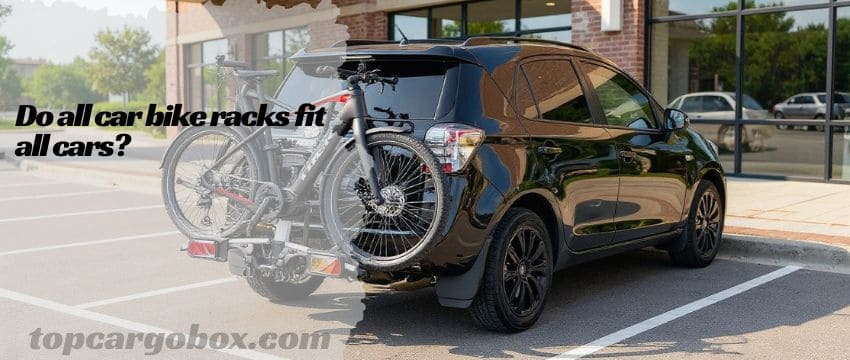
First up, you have the hitch receiver. This is a square or rectangular metal tube that’s mounted to your car’s frame, usually hidden behind a removable panel on the rear bumper. If your car has one, you’re in luck! This is often considered the gold standard for bike rack attachment because it’s incredibly sturdy and secure, connecting directly to the bones of your vehicle. But here’s the catch: hitches themselves are not universal. They come in different classes (which indicate weight capacity) and, more importantly, different sizes. The most common sizes are 1¼-inch and 2-inch receivers. You must know which size your car has before you buy a hitch-mounted rack, as most are designed for one specific size, though some offer clever adapters.
Next, there’s the roof rack system. This isn’t just the crossbars you see on top of SUVs. A full roof system consists of two parts: the side rails (or raised rails) that run front-to-back on your roof, and the crossbars that attach perpendicular to them. Some cars have bare roofs with no rails at all, and some have fixed, integrated side rails. If you don’t have crossbars, you’ll need to buy a set that is specifically engineered for your car’s make, model, and year. The roof rack world is the opposite of universal; it’s hyper-specific. Once you have the crossbars, you can then attach bike carriers that clamp onto those bars. The freedom here is that any standard roof-mounted bike carrier will fit any standard crossbar, so that part is universal. But the foundation—the crossbars themselves—are 100% vehicle-specific.
Recommend Readings:
I get it, seeing the price tag on some of these setups can make you gasp. You’re probably wondering why are bike racks so expensive when a simpler model costs a fraction of the price. It’s totally a valid question. While that budget-friendly trunk rack might seem like a steal now, it’s crucial to understand the very real drawbacks of bike racks that aren’t built to last. Often, you’re paying for superior materials, rigorous safety testing, and smart design that protects your car’s finish and your bike’s frame. This whole debate really comes down to understanding the true cheap vs fancy bike racks and where that extra investment actually goes—it’s usually in peace of mind on the highway.
Once you’ve settled on the type that works for your ride, the fun part begins: picking the best model. If you’re working with a car sans hitch, checking out the best Thule trunk bike rack without hitch is a brilliant place to start for a premium strap-on solution. For those of you with a hitch receiver already installed, you’ll want to dive into the details of the best Thule hitch bike racks to compare features like tilt-away access and integrated locks. Seriously, comparing the best 4 Thule hitch bike rack options side-by-side is the best way to see which one fits your life and your budget. And before you hit the road, don’t forget a quick peek at the bike rack laws state by state to ensure your setup is totally legal and you avoid any unnecessary fines.
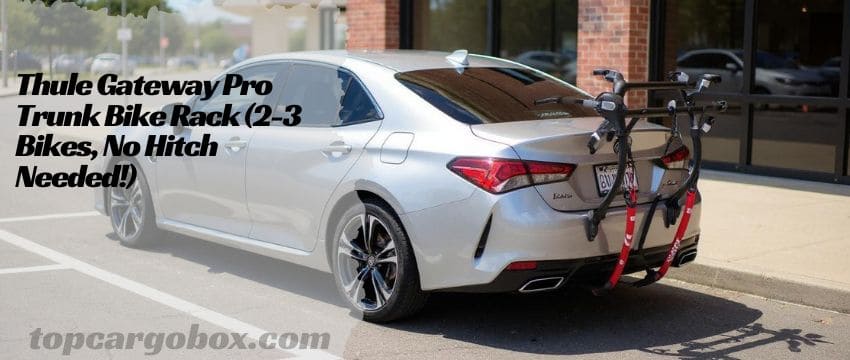
Finally, we have the trunk/hatch mount. This is the area where “universal” racks are most commonly found. These racks use a system of hooks, straps, and feet that grip onto the painted bodywork of your trunk or hatchback. Their universality comes from their adjustability. However, this is also where the most compatibility issues arise because they depend entirely on your car’s body shape. Features like spoilers, plastic trim, awkwardly shaped handles, camera housings, and even the type of trunk lip can make a supposedly universal trunk rack completely unusable.
The Big Three: Hitch, Trunk, and Roof Racks Explained
Alright, let’s dive deeper into each of these three rack types. Understanding their pros, cons, and specific fit requirements is the key to making an informed decision that you won’t regret later.
Hitch-Mounted Racks: The Heavy-Duty Heroes
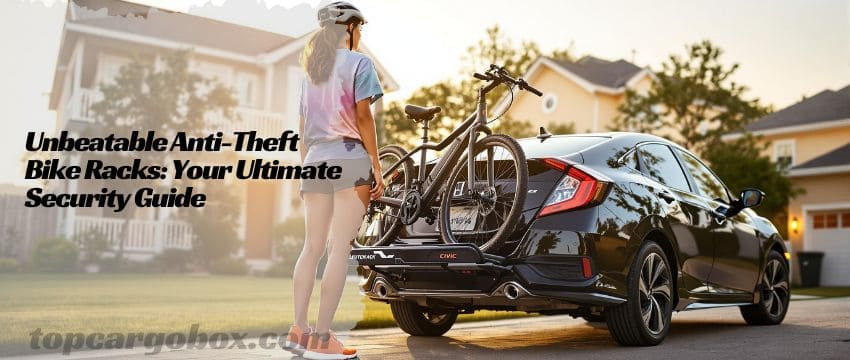
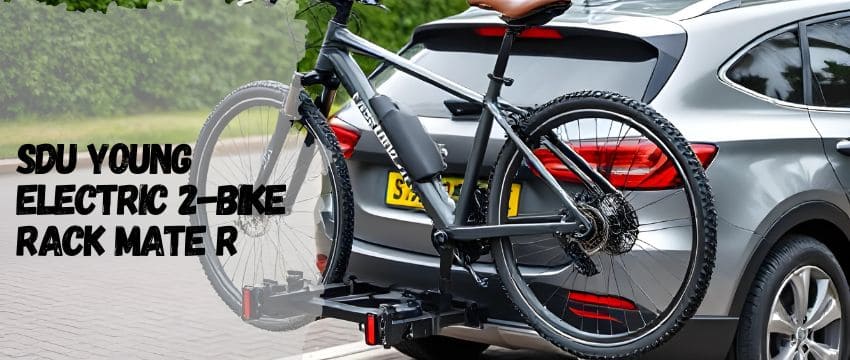
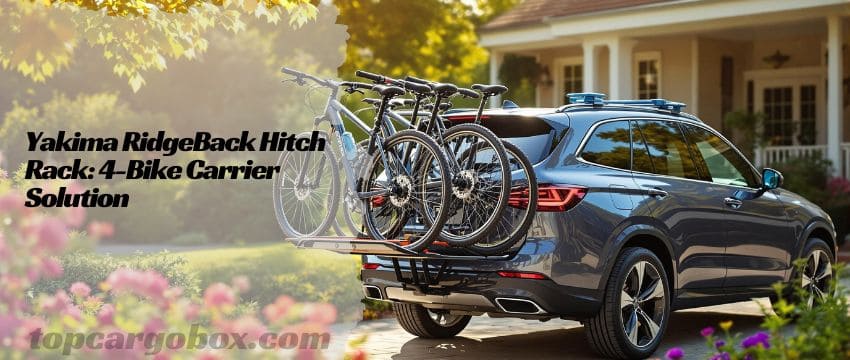
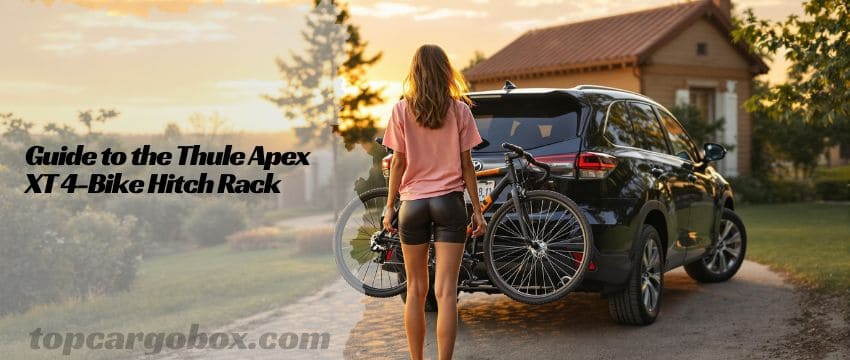
How’s it going, road-tripper? If you’re planning long hauls with multiple bikes, a hitch rack is probably what you’re dreaming of. Dude, these things are legit. They slide right into your hitch receiver, secured with a pin and lock, and they hold your bikes incredibly steady. Because they attach to the frame, there’s no contact with your car’s paint, which means zero risk of scratches from the rack itself—massive win. They also typically allow full access to your trunk or hatch, which is a huge convenience that trunk racks can’t offer.
But, and there’s always a but, the compatibility here is all about that hitch. First, you need to have one. If you don’t, you’re looking at a professional installation that can cost anywhere from $200 to $500+ for the parts and labor. Once you have the hitch, you need to match the rack’s hitch size (1¼-inch or 2-inch) to your receiver. A 2-inch rack will not fit a 1¼-inch hitch without an adapter, which can sometimes compromise stability. Furthermore, you have to consider your hitch’s weight capacity (tongue weight) and the rack’s weight when fully loaded. Exceeding your vehicle’s rated capacity is a seriously bad idea. You also need to check the rack’s clearance. Some designs, especially on sedans, can sit too low and cause the bikes or the rack itself to scrape on steep driveways or dips in the road.
Trunk/Hatch-Mounted Racks: The Affordable All-Rounder
What’s the first thing that comes to mind when you’re trying to save some cash on gear? For a ton of us, a trunk rack seems like the obvious answer because the price tag is way easier to swallow right out of the gate. I totally get it. You just want a simple, no-fuss way to get your bike to the trails without taking out a second mortgage or drilling holes in your car. It feels like a win-win: you strap it on for your adventure and pop it off when you’re done, no permanent commitment. Sounds like a perfect plan, right? Well, hold up. This is exactly where that super tempting “fits everything” promise on the box can lead you straight into a real-world headache.
Let’s be real, figuring out if one of these will actually work on your specific car isn’t something you can just guess at from a product photo online. Nice try, but you really have to get hands-on with your own vehicle to know for sure. You need to run your hands over your trunk or hatch lid, feeling for a good, solid place for those top hooks to grab onto. Is there a sturdy ledge at the bottom for the feet to brace against, or is it all just flimsy plastic trim? And what about all the modern stuff stuck on there now—is a rear camera or a slick spoiler totally in the way? I’ve watched a friend accidentally crack their $300 backup camera lens by forcing a strap over it, all for a $150 rack. How awful is that? The quality of the padding matters huge, too; if it’s thin and cheap, it’s gonna grind into your paintjob like sandpaper, leaving nasty scuffs behind. Even the good stuff can trap tiny bits of grit underneath that act like sandpaper on a long drive, slowly wearing away your clear coat.
So you’re constantly playing this game between the awesome convenience and the scary possibility of messing up your car’s finish. It’s a legit concern that doesn’t really show up in the sales pictures. You have to ask yourself, is that lower upfront cost worth the potential stress and the risk of an expensive repair bill later? It’s a trade-off that isn’t for everyone, especially if you’re super particular about keeping your car looking fresh.
Roof-Mounted Racks: The Sky-High Performance Choice
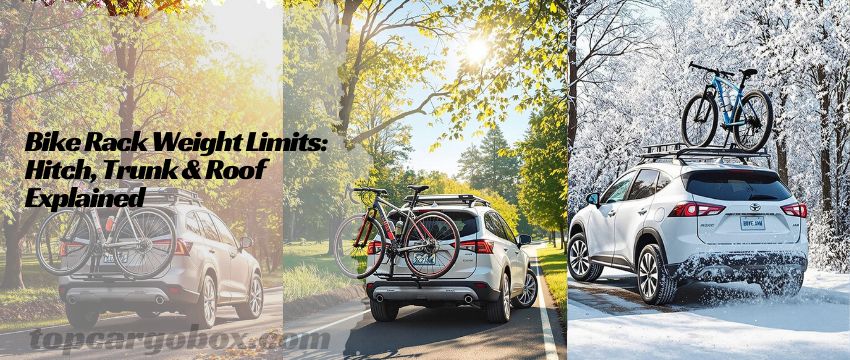
Feeling sporty? Roof racks give you a cool, aerodynamic look and keep your bikes up and out of the way, preserving your rear visibility and access to your trunk. They are awesome for keeping your bikes safe from rear-end collisions and make your car look like a serious adventure mobile. Once you have the base roof rack system (side rails and crossbars) installed, the bike carriers themselves are pretty interchangeable.
But, oh snap, the initial setup is the hurdle. If your car doesn’t have factory side rails, you’re looking at installing a whole system, which is an investment. Then, you have to lift your bike high above your head to get it onto the roof. If you have a heavy e-bike or a full-suspension mountain bike, this can be a serious workout and a bit risky if you lose your grip. You also have to be hyper-aware of low-clearance obstacles like garage doors, drive-thru overhangs, and parking structures. Forgetting your bikes are on top is a classic, and incredibly expensive, mistake. How many times do I have to tell you? Always put a reminder on your dashboard! The roof rack system itself is also not universal; the foot pack and crossbars must be specifically designed for your car’s roof shape and mounting points.
Beyond the Type: Other Critical Compatibility Factors
So, you’ve figured out which type of rack your car can accommodate. Awesome! But we’re not done yet. There are a few more sneaky details that can trip you up. Let’s hang tight and go through them.
Bike Frame Compatibility: This is a big one that first-time buyers often overlook. Not every bike rack holds every bike. Old-school diamond-frame mountain bikes and road bikes are usually easy. But what if you have a step-through frame, a fat bike with 4-inch-plus tires, a carbon fiber frame you’re terrified of scratching, a kids’ bike with small wheels, or a down-right weirdly shaped modern frame? You need a rack that can accommodate it. Roof racks often use fork-mount systems that require you to remove the front wheel, which isn’t ideal for everyone. Hitch racks use trays that hold the bike by the wheels or arms that clamp onto the frame tube. That frame clamp can be bad news for delicate carbon or oddly shaped hydroformed tubes. You must check the rack’s specs for max tire width and its recommended frame types.
Weight Capacity: Don’t Push It!
This is non-negotiable. Every rack has a maximum weight capacity, and every vehicle has a maximum weight rating for its hitch or roof. You have to stay under both numbers. For real. Let’s say you have a hitch with a 200-pound tongue weight rating. Your four-bike hitch rack might weigh 50 pounds itself. That means you only have 150 pounds left for your bikes. If you have four electric mountain bikes that weigh 50 pounds each, you’re already 50 pounds over the limit before you even start driving. That’s crazy! Exceeding weight limits stresses the rack, your car’s attachment points, and is a major safety hazard. It’s not a big deal until it is, and then it’s a catastrophic big deal.
Vehicle-Specific Quirks: Cars have personalities, and sometimes they’re difficult. A backup camera is now standard on most new cars. A trunk-mounted rack will almost certainly obstruct it, and some hitch racks can block it too. Do you have a third brake light on your spoiler? A trunk rack might cover it, which is actually illegal. You also need to check your car’s manual. Some manufacturers, like Tesla with their glass roofs, have very specific warnings and limitations about roof racks and hitch installations. Ignoring these can void warranties or cause damage. It is what it is, so always do your homework.
Real World Examples: Let’s Get Specific
Alright, enough theory. Let’s look at some real-life scenarios. How’s it going, Honda Civic owner? You’re driving one of the most popular cars on the road. Your car likely has no hitch and no roof rails from the factory. Your most probable option is a trunk-mounted rack. But wait! The modern Civic has a pretty integrated spoiler on the trunk lid. You’ll need to carefully measure and find a rack whose top hooks can fit above or below that spoiler without putting pressure on it. A roof system is also a great option, but you’ll need to buy crossbars specifically for the Civic’s bare roof.
What’s up, Jeep Wrangler driver? You’re living the adventure life. Your Jeep almost certainly has a factory roof system and is a prime candidate for a beefy hitch receiver. You’ve got options! But remember, if you go the roof route and have a soft top, your options for a strong mounting point are different than if you have a hardtop. A hitch is often the simpler choice. And for you pickup truck owners, a hitch rack is your best bet, but pay attention to clearance if your truck is lifted.
And for those of you with a sleek Tesla Model 3 or similar EV? These cars are a special case. Their bodies are often aluminum, and their bumpers are packed with sensors. A trunk rack is risky due to potential sensor interference and paint damage on the aluminum. A hitch might need to be installed by a specialist familiar with EVs. The roof may be all glass, limiting roof rack options. It’s a minefield that requires meticulous research.
A Handy Guide to Key Bike Rack Specs
Feature/Specification | What It Means & Why It Matters |
|---|---|
Hitch Receiver Size | The size of the square opening on your car’s hitch (1¼-inch or 2-inch). Your rack must match this. |
Weight Capacity (Tongue Weight) | The max weight your car’s hitch can safely support. Includes the weight of the rack and the bikes. |
Rack’s Own Weight | The weight of the empty rack. This weight counts against your car’s total weight capacity. |
Number of Bike Capacity | How many bikes the rack is designed to hold. Don’t exceed this, even if there’s physically space. |
Max Tire Width | The widest tire the rack’s trays or arms can accommodate. Critical for fat bikes and wide MTB tires. |
Frame Compatibility | The types of bike frames the rack can hold (standard, step-through, carbon-friendly, etc.). |
Fold-Down Feature | Whether the rack can tilt down (often while loaded) to allow access to the trunk/hatch. |
Integrated Locking Mechanism | Built-in locks that secure the rack to your car and your bikes to the rack. A huge security bonus. |
Installation and Safety: The Final Check
You’ve bought the perfect rack! That’s lit! But your job isn’t over. Proper installation is everything. No way should you just slap it on and hope for the best. For hitch racks, ensure the hitch pin is securely fastened and use a locking pin if possible. For trunk racks, take your time. Position all the contact points carefully, ensuring straps are not rubbing on paint or caught on wires for rear defrosters. Tighten everything down firmly. Give the whole rack a good shake. It should be solid with very little movement. If it’s wobbly, it’s not on right.
Before every trip, do a quick pre-flight check. Are all the straps still tight? Are the bikes secure and not bouncing around? Did you remember to secure the bikes’ wheels? Are the license plate and taillights visible? Speaking of laws, did you know bike rack laws vary state-by-state? For real. Some states require that your license plate and lights remain completely unobstructed, which might mean buying an auxiliary light and plate bracket if your rack blocks them. It’s a crucial step to avoid a pricey ticket.
Making Your Final Decision
So, after all this, how do you choose? It’s a balancing act between your car’s capabilities, your budget, your bikes, and your personal needs. If you want the ultimate in security and convenience and are willing to pay for it, a hitch rack from a quality brand like Thule is the way to go. If you’re on a tight budget and your car’s trunk is compatible, a trunk rack can be a great temporary solution, but be aware of the drawbacks of bike racks like potential paint damage. If you’re a performance-oriented rider who doesn’t mind the lift and the height, a roof system offers a sleek, aerodynamic profile.
Remember, the cheap rack might seem like a deal now, but if it fails and drops your $5,000 mountain bike onto the highway, was it worth it? Investing in quality from reputable brands is almost always the smarter long-term play. You can explore the differences between cheap vs fancy bike racks to see where that value really lies.
Ultimately, the question isn’t “Do all car bike racks fit all cars?”—we’ve busted that myth. The real question is, “What is the right bike rack for my specific car and my specific bikes?” Answer that, and you’re golden. You’ll be hitting the road with confidence, ready for your next two-wheeled adventure. Now get out there and ride!

Our team is creating outdoor-gear relevant articles with passion. If our articles can help you to find the correct solutions for your questions, we will be happy about that. In the content creation process, we usually collect accurate and useful information online or offline to compile our content in an organized way. Consequently, we can guarantee that you can discover some expected answers to your questions. We appreciate your time on our site.