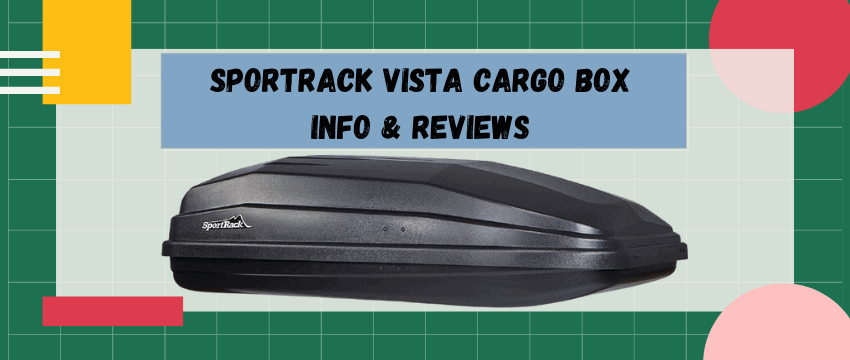

What’s up, adventure seekers? So, you’re eyeing the Thule Motion 3 roof box, ready to unlock that extra space for your next big trip. Awesome choice! But let’s be real for a sec: the biggest worry nagging at the back of your mind is probably, “Will this thing actually keep my gear bone dry?” I totally get it. Nobody wants to unpack a soggy sleeping bag or ruined ski gear after hours on the road. That sucks, big time. Today, we’re diving deep – like, really deep – into the Thule Motion 3 waterproof claim. Forget the marketing fluff; we’re talking real-world performance, how it works, and what you need to know before trusting it with your precious cargo. Buckle up, let’s get into it!
The Big Promise: Thule Motion 3 Waterproofing

Alright, so Thule shouts from the rooftops (pun totally intended) that the Motion 3 is waterproof. For real? How can a big plastic box bolted to your car roof genuinely achieve that? It’s not just magic, dude. The secret sauce lies in Thule’s DoubleGuard™ Security lid system. This isn’t just a simple latch; it’s a sophisticated sealing mechanism designed specifically to battle the elements. Think of it as a double-layered defense against water intrusion. The primary seal is a robust, continuous gasket running the entire perimeter of the lid. Then, Thule adds a secondary internal seal, creating a kind of barrier within a barrier. It’s like having a moat and a castle wall protecting your gear. This dual-seal approach is crucial because it compensates for potential uneven pressure or minor flexing that might happen during driving or when the box is loaded. Pretty clever, right? It’s designed to handle more than just a light drizzle; we’re talking serious downpours and highway speeds. But does it hold up? We’ll get to the tests soon enough, hang tight.
Putting It to the Test: Beyond the Hose Spray
Okay, so Thule does their own internal testing, sure. They blast it with hoses and simulate rain – standard stuff. But come on, we all know the real world throws way crazier stuff at you. Ever been caught in a sudden, torrential summer storm while cruising down the interstate at 70 miles per hour? Or driven for hours through relentless coastal mist? That’s the true test. My own experience, and reports from tons of users, involves exactly these scenarios. Picture this: a six-hour drive through non-stop, heavy rain on the highway. Not just a little shower, but the kind where your wipers are on max and visibility sucks. You’re white-knuckling it a bit, and honestly, you’re mentally preparing for the worst when you pop that box open. But then… relief! Gear inside? Perfectly dry. No dampness, no pooling water, nada. Zip. It’s legit impressive. This kind of real-world torture test speaks volumes more than a controlled spray in a lab. How many times have you worried about that exact scenario ruining your trip? The Motion 3 seems built to handle it.
How the Motion 3 Actually Stays Dry (It’s Not Just Luck)
Let’s break down why it works so well, beyond just the DoubleGuard seals. It’s not just dumb luck, after all. First, the aerodynamic shape plays a surprisingly big role. Unlike old-school, brick-like boxes, the Motion 3’s sleek profile helps air flow over it smoothly. This minimizes turbulence and, crucially, reduces the force of wind-driven rain trying to find its way into any tiny gap. Less buffeting means less stress on those seals. Second, the lid design itself is key. It features integrated channels along the sides. These aren’t just for looks; they actively divert water away from the primary seal area, guiding runoff down the sides of the box instead of letting it pool or get forced in. Think of them like tiny gutters. Third, the clamping mechanism is super robust. When you slam that lid shut and lock it, the T-handle doesn’t just secure it; it applies even, significant pressure all around the perimeter. This ensures the seals are fully compressed and engaged everywhere, leaving no weak spots for water to sneak through. It’s a system working together – shape, channels, seals, and clamping force. Who knew aerodynamics mattered so much for keeping your skis dry?
The Weak Spot? It’s All About YOU (Yeah, You!)
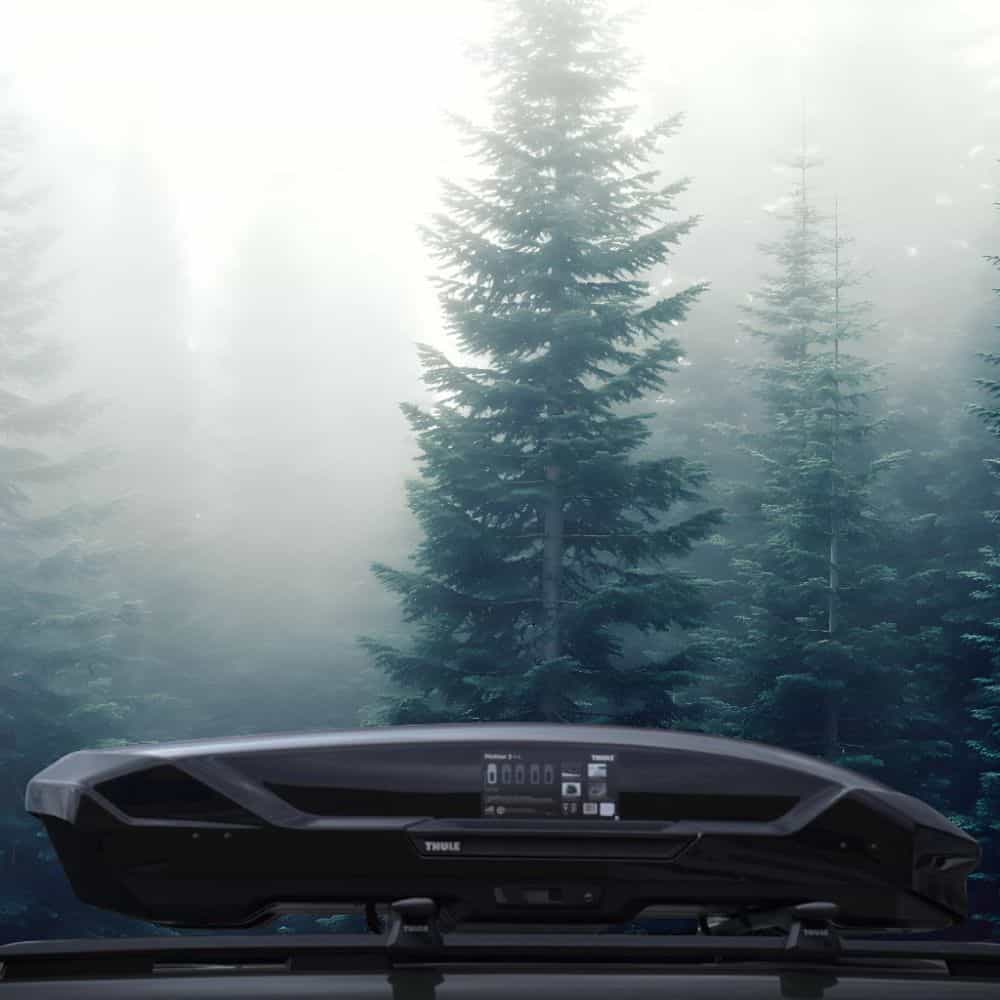
Here’s the thing, bro. Thule can build the most waterproof box in the world, but you can totally mess it up. No offense! The absolute number one reason for leaks? User error. Seriously. The most common culprit is debris on the seal. Imagine closing the lid with a tiny twig, a leaf, or even a grain of sand sitting on that crucial rubber gasket. That little bit of grit creates a gap – a direct highway for water. It only takes one tiny piece! Always, always, always do a quick visual check around the entire seal lip before slamming the lid shut. Give it a quick wipe with your hand. Another major factor is overloading. Stuffing the box way beyond its capacity distorts the shape. This can pull the lid frame slightly out of alignment, preventing the seals from making full, even contact all the way around. Check that weight limit! Damaged seals are another obvious point. Inspect them periodically for cracks, tears, or brittleness – especially before a big trip or after harsh weather. Sun and extreme cold can degrade rubber over time. Lastly, ensure the lid is closed and locked properly. Listen for that satisfying “thunk” and double-check the T-handle is fully rotated to the locked position. Feeling lazy? Don’t be; it takes two seconds and saves your gear. My bad once cost me a damp sleeping bag – lesson learned!
Thule Motion 3: Features & Specs at a Glance
Alright, let’s get down to brass tacks. Before we dive deeper into the waterproof nitty-gritty, here’s the lowdown on what the Motion 3 actually is. Check out this quick reference table for the key deets:
Feature/Spec | Details |
|---|---|
Key Waterproof Tech | DoubleGuard™ Security Lid (Dual Perimeter Seals) |
Construction | Rugged, UV-resistant ABS plastic |
Opening Mechanism | Easy-open T-handle, opens from either side |
Locking | Integrated locks (compatible with Thule’s One-Key system, cores sold separately) |
Mounting System | Quick-Grip™ Knob system for tool-free installation on most roof racks |
Load Capacity | Varies by size, typically 165 lbs (75 kg) max – CRUCIAL TO OBSERVE |
Available Sizes (Liters) | Small (~320L), Medium (~420L), Large (~520L), X-Large (~620L) |
Weight | Varies by size (e.g., Medium ~40 lbs / 18 kg) |
Internal Dimensions | Varies significantly by size – Measure your gear! |
Key Design Element | Aerodynamic shape, integrated water channels |
Pretty solid, right? The DoubleGuard seals are front and center for waterproofing, and that load capacity is seriously important – overload it, and you risk leaks and safety issues. The sizes offer flexibility, but make sure you pick one that fits your car without exceeding height limits – check out our guide on roof box height rules worldwide to avoid nasty surprises. Finding the right fit for your specific ride is key, and we’ve got a handy list of cars that fit the Thule Motion 3 too. No big deal, just saves you hassle later.
Long-Term Waterproofness: Does It Last?
Fair enough, it might be waterproof now, but what about after three seasons of brutal sun, freezing winters, and countless highway miles? Will it still hold up? Totally valid concern. Off the top of my head, the longevity of that waterproofing hinges on a few things. The quality of the ABS plastic is excellent – it’s UV-stabilized to resist becoming brittle and cracking under the harsh sun. Thule isn’t using cheap stuff here. However, the rubber seals are the components most vulnerable to aging. Constant exposure to ozone, extreme temperatures (think desert heat or mountain cold), and UV radiation can eventually cause them to harden, shrink, or crack. This degradation is slow, but it’s real. How long do cargo boxes last? Well, it varies, but with good care, you can expect many years. The good news? Thule sells replacement seal kits. If you notice the rubber getting stiff or looking cracked, swapping them out is a relatively straightforward DIY job that basically gives your box a waterproofing reboot. Think of it like maintenance on your car. Regular cleaning (mild soap, water) to remove dirt and grime that can accelerate seal wear also helps massively. Taking care of it means it takes care of your gear.
Motion 3 vs. The Elements: Beyond Just Rain

We’ve talked rain, but what about other wet nightmares? Let’s chat car washes. Automatic car washes with those giant, slapping brushes? Dude, honestly? I’d avoid them with any roof box if possible. The sheer force and weird angles can sometimes overwhelm even good seals, and you risk scratching the box. Hand wash or touchless is the way to go. Now, heavy snow and ice? The Motion 3 handles snow load well structurally, but avoid prying ice off the seals! You could easily tear the rubber. Use a soft brush or let it melt naturally. Coastal salt spray and humidity? The ABS plastic laughs at salt corrosion, but that salty, humid air can be tough on seals over the long haul. Rinsing the box (especially the seal area) with fresh water after coastal trips is a smart habit. For truly epic adventures in wild weather, you might want tips on roof boxes taming extreme climates. The Motion 3 is tough, but understanding its limits helps.
What Real Users Say (The Good, The Bad, The Damp)
For real? Let’s cut through the hype and see what actual owners report. Scouring forums and reviews, the overwhelming consensus is positive regarding waterproofing. Countless stories mirror that highway-in-a-downpour scenario with dry gear inside. People legit rave about it holding up through brutal storms. That’s awesome! However, it’s not 100% perfect for everyone. The occasional leak report pops up. Digging deeper, nearly always traces back to those user errors we talked about: a bit of debris on the seal (a pine needle is enough!), a slightly distorted lid from overloading, or simply not closing/locking it fully. “I forgot to check the seal” is a common grunt. Rarely, there might be a manufacturing defect in a seal, but that’s usually caught early and covered under warranty. The takeaway? When used correctly, it performs brilliantly. When it leaks, it’s almost always preventable. Tell me about it – we’ve all had those “doh!” moments.
Competition Check: How Does Motion 3 Waterproofing Stack Up?
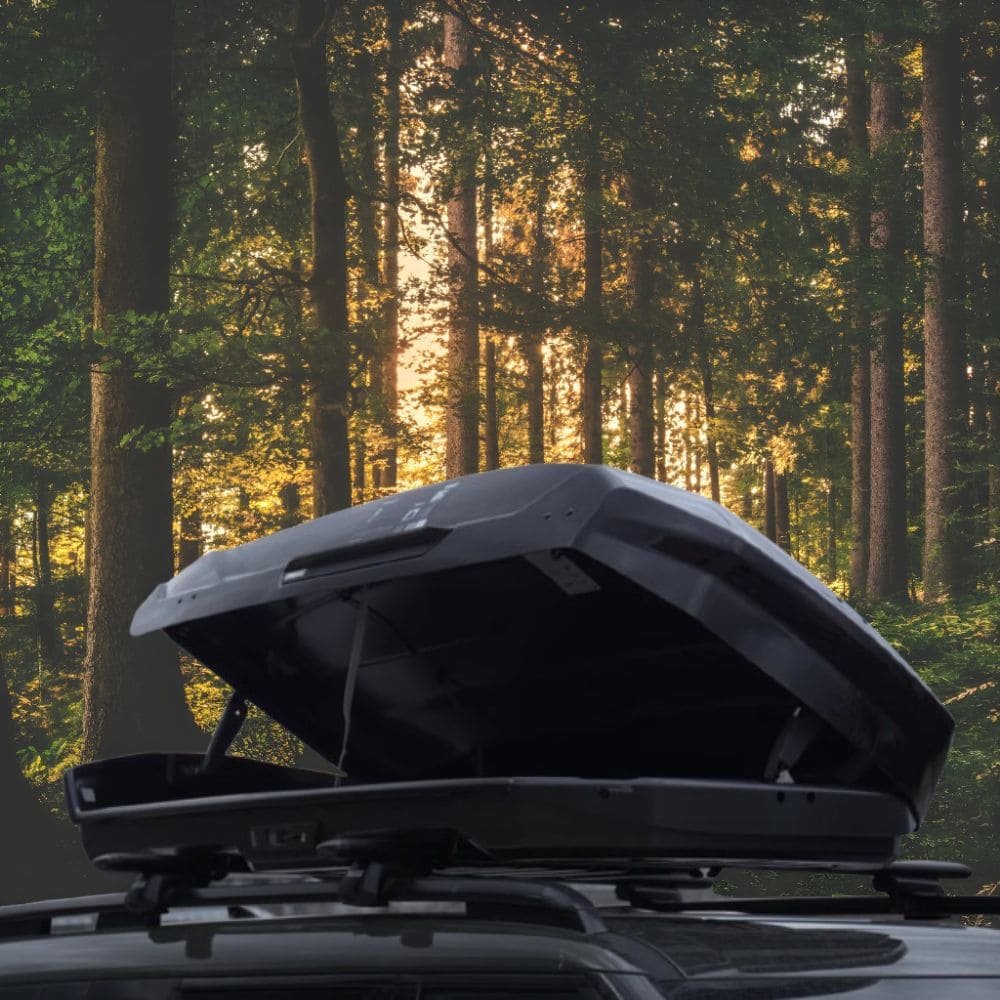
Alright, how does Thule’s DoubleGuard system compare to others? Yakima’s SkyBox NX series uses a similar dual-seal approach (their “SecureCore” lids) and also boasts excellent waterproofing – it’s a real contender. The head-to-head between the Yakima SkyBox NX Skinny and Thule Motion is tight on this front. Thule’s Force XT series uses a single, very robust perimeter seal; it’s generally very waterproof too, though some argue the dual seal offers a slight edge under extreme pressure. Comparing the Thule Force XT sizes shows they share similar construction principles. More budget-friendly options like some SportRack models might use simpler seals or less robust plastic; waterproofing can be good, but maybe not as consistently bomber in extreme conditions long-term. The SportRack Vista XL is popular but check reviews carefully. The Motion 3 consistently ranks among the top for waterproof reliability. For a broader view, see how it stacks up against Thule Motion 3 vs its competitors.
Maximizing Your Motion 3’s Waterproof Potential
So, you’re sold on the Motion 3 (or maybe you already own one). How do you make absolutely sure it keeps your stuff dry trip after trip? Let’s make it bulletproof. Pre-Flight Check: Before every trip, inspect the seal! Run your finger along it. Look for debris, cracks, or damage. Wipe it clean if needed. It takes seconds. Loading Smarts: Distribute weight evenly. Avoid massive point loads right near the lid edges. Don’t jam it so full the lid bulges. Respect that 165 lb (75 kg) limit! Closing Ritual: Make sure the lid sits flat before clamping. Engage the T-handle firmly and rotate it fully until it locks. Hear that click? Good. Post-Trip TLC: Give it a rinse, especially after salty or muddy drives. Park it out of brutal, direct, constant sunlight if storing long-term. A cover helps. Check the seal condition periodically. Considering a rooftop cargo bag as a backup for super delicate items inside the box isn’t crazy either, but honestly, with good practices, it shouldn’t be needed for dryness. Easy peasy.
Beyond Dryness: Other Motion 3 Perks (And Quirks)
While waterproofing is king, the Motion 3 brings other good stuff to the table. The Quick-Grip™ Knob mounting system? Legit awesome. Installing and removing it is genuinely simple and tool-free on most racks – no more grunting with wrenches. The sleek, low profile looks great and minimizes wind noise compared to bulkier boxes. The dual-side opening is super convenient for loading, no matter which side of the car you’re on. Security is solid with integrated locks (remember to buy the cores!). But, it’s not perfect. The price tag is definitely premium – ouch. It’s heavier than some fiberglass or ultra-light options, which can make solo handling a bit awkward. While aerodynamic, any roof box affects gas mileage – something to consider versus hitch carriers. And finding the perfect size can be tricky with vehicle restrictions; careful planning is needed. If budget is tight, check out the best roof box under $500 for alternatives, though waterproofing assurance might differ.
The Verdict: Is the Thule Motion 3 Truly Waterproof?
Drumroll please… After all this, what’s the final call? Based on Thule’s engineering, rigorous testing, extensive real-world user feedback, and understanding how it works, the answer is a resounding Yes, the Thule Motion 3 is genuinely waterproof when used correctly. Its DoubleGuard™ lid system, aerodynamic design, water-channeling features, and robust construction are purpose-built to keep your gear dry in demanding conditions. I’m down to trust it with my own expensive camping and ski gear. However – and this is a big however – it’s not magic. Its performance is absolutely dependent on proper use and maintenance. Neglecting the seal, overloading the box, or failing to close it properly are the fast tracks to disappointment. It’s like a high-performance car; it needs the right fuel and care. If you treat it right, it will absolutely deliver on its promise. That’s a huge weight off your mind for those epic road trips, right? No more stressing about the weather forecast!
Conclusion: Dry Gear, Happy Trips
So, how’s it going? Feeling more confident about the Thule Motion 3? Look, investing in a roof box is about freedom – carrying everything you need for the adventures you crave. The last thing you want is water damage ruining the vibe. The Thule Motion 3 removes that major worry. Its waterproofing tech is legit, proven, and designed for the real world. Just remember the golden rules: keep that seal clean, don’t overload it, close it right, and give it a little TLC. Do that, and you can hit the road knowing your gear is as protected as it can be up there. Focus on the fun, not fret about the rain. Ready to pack up and explore? Catch you later on the open road! Take it easy.
Your Thule Motion 3 Waterproof Questions, Answered:
1. How waterproof are Thule roof boxes?
Thule roof boxes, especially models like the Motion series with DoubleGuard™ seals and the Force series, are designed to be highly waterproof. They undergo rigorous internal testing simulating heavy rain and high-pressure spray. Real-world experiences from countless users consistently show they keep gear dry even during extended highway drives in torrential downpours. However, this performance relies heavily on correct usage – ensuring seals are clean and undamaged, the box isn’t overloaded, and the lid is properly closed and locked. While not technically “submersible,” they are absolutely built to handle severe weather conditions encountered during normal travel. Their reputation for reliable waterproofing is a major reason for their popularity.
2. Is the Thule Motion waterproof?
Yes, the Thule Motion series (including the Motion 3) is specifically engineered to be waterproof. It features Thule’s DoubleGuard™ Security lid system, which utilizes dual perimeter seals for enhanced protection against water ingress. This design, combined with aerodynamic shaping that reduces water pressure on the seals and integrated water channels, provides robust defense against rain, snow, and road spray. Extensive testing and widespread user reports confirm its effectiveness in keeping cargo dry under demanding conditions like heavy storms and highway speeds. Just remember that user maintenance (clean seals, proper closure, avoiding overload) is essential to maintain this waterproof integrity over time.
3. Do Thule boxes affect gas mileage?
Absolutely, any roof box, including Thule models, will impact your gas mileage (fuel efficiency). Adding a large object to your roof increases aerodynamic drag significantly, forcing your engine to work harder, especially at higher speeds. The exact MPG hit varies but expect a decrease of 5% to 25% depending on the box size, your vehicle’s shape, and, most critically, your driving speed – the faster you go, the worse the penalty. While Thule designs boxes like the Motion 3 to be sleek and minimize drag, they still create more resistance than a bare roof. You can mitigate it slightly by removing the box when not needed and driving at moderate speeds. It’s a trade-off for the extra cargo space.
4. How fast can you drive with a roof box on?
While roof boxes are wind tunnel tested for stability, Thule, and most manufacturers, strongly recommend adhering to local speed limits and never exceeding 80 mph (130 km/h). This is a crucial safety guideline. Driving at high speeds significantly increases aerodynamic forces on the box and your vehicle’s roof rack system, raising the risk of instability, excessive noise, and potential failure. Factors like crosswinds, vehicle type, roof box load, and roof rack quality also influence safe handling speeds. Always prioritize safety – driving significantly slower than the maximum advised speed is often prudent, especially in windy conditions or with a heavy load. Remember, the safest time to drive often involves calmer conditions.
5. What is the maximum speed with a Thule roof box?
Thule explicitly states that the maximum permitted speed when using any of their roof boxes, including the Motion 3, is 80 mph (130 km/h). This is not just a suggestion; it’s a strict safety limit based on their engineering and testing. Exceeding this speed dramatically increases stress on the roof box mounting points, your vehicle’s roof rails, and the aerodynamic forces acting on the entire system. Doing so risks catastrophic failure where the box could detach, posing a severe danger. Always respect this limit, drive defensively, reduce speed further in adverse weather (high winds, heavy rain), and ensure your roof rack is correctly installed and rated for the load. Safety first, always.

Our team is creating outdoor-gear relevant articles with passion. If our articles can help you to find the correct solutions for your questions, we will be happy about that. In the content creation process, we usually collect accurate and useful information online or offline to compile our content in an organized way. Consequently, we can guarantee that you can discover some expected answers to your questions. We appreciate your time on our site.