
What’s up, fellow car bike rack user? Ever come back from an awesome trail or a chill cruise around town, only to find your car’s paint looking like it lost a fight with a cat? Total bummer, right? You invested in a bike rack to get your wheels where they need to go, not to wreck your ride’s finish. I get it – seeing those fresh scratches or swirl marks can make your heart sink. It feels like a lose-lose: carry your bikes easily or keep your car looking sharp? How many times have you wondered if there’s a smarter, cheaper way? Well, chill out, because you absolutely can find affordable racks that play nice with your paint job. It’s not just about the price tag; it’s about knowing what features actually protect your car without costing a fortune. Forget the myth that “cheap” always means “damage.” Let’s dive into how you can haul your bikes without the heartache (or the hefty body shop bill).
Your Paint Job vs. The Rack: Understanding the Battle
So, why do some racks seem hell-bent on ruining your car’s shine? It usually boils down to a few key culprits. First off, cheap, hard plastics or exposed metal parts are the worst offenders. If those surfaces rub directly against your paint – especially while driving with all those vibrations – it’s basically like sandpapering your clear coat. Ouch! Think about all the dirt and grit that gets trapped between the rack’s contact points and your car. That tiny debris acts like grinding paste, digging in deeper with every bump you hit.
Rigid mounting systems that don’t flex or conform to your car’s unique curves create pressure points. These concentrated spots bear the brunt of the weight and movement, making scratches almost inevitable. Poor strap design is another villain. Thin, rough-edged straps can cut into paint or trim, especially if they loosen slightly during your drive and start sawing back and forth. I’ve seen buddies totally wreck their paint jobs near the trunk lip or rear window trim because their bargain-bin rack straps just weren’t up to the task. And let’s not forget user error – even a decent rack can scratch if it’s installed cockeyed or overloaded, putting stress where it shouldn’t be. Knowing these enemies is half the battle won!
Hitch Mount Racks: Your Paint’s Best Friend (Usually)
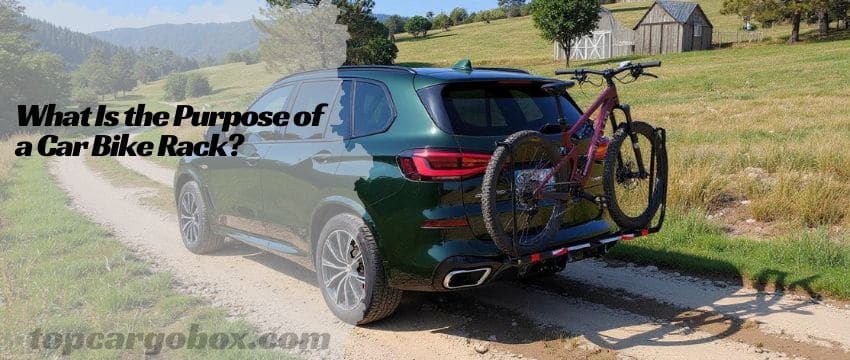
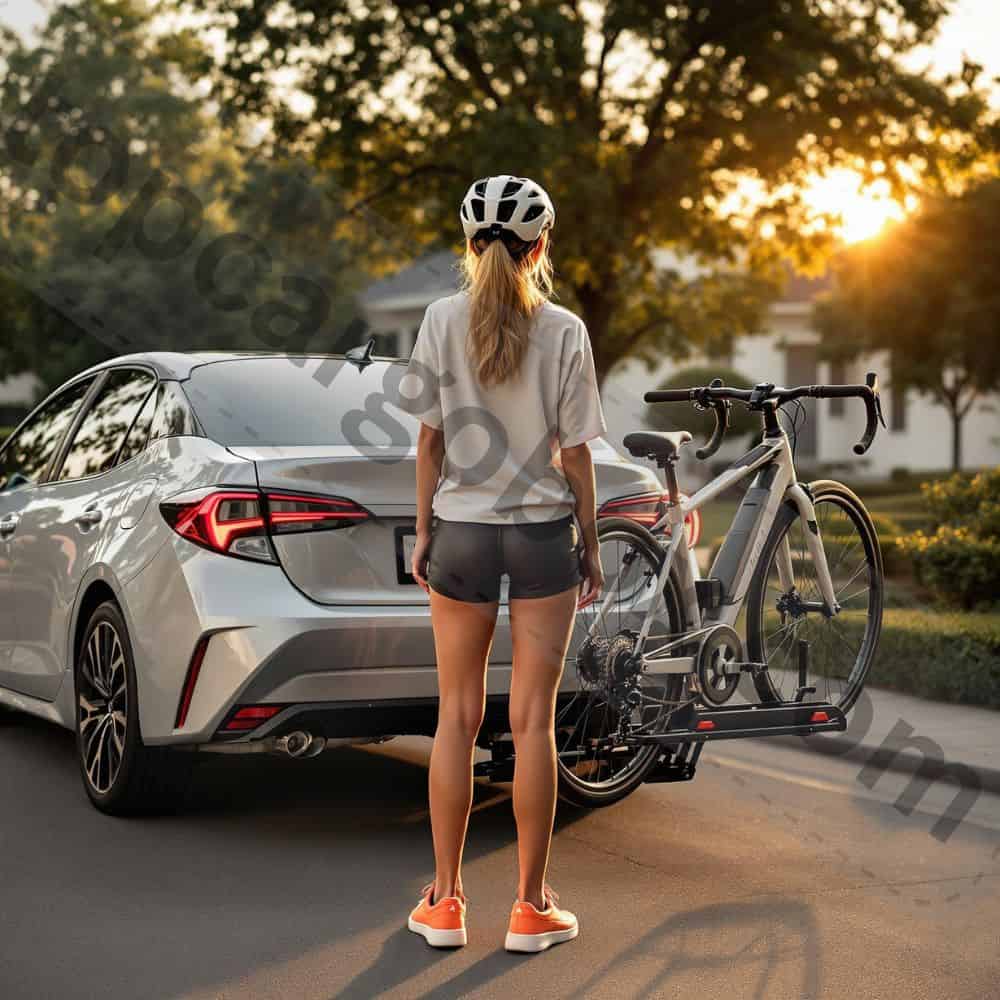
Alright, let’s talk hitch racks. How’s it going for your car’s rear end? If you’ve got a hitch receiver (or are willing to get one installed), this is often the gold standard for paint protection. No big deal about the installation process – it’s usually straightforward once the hitch is on. The beauty here is simple: the rack connects securely to the metal hitch receiver tucked under your bumper. Zero contact points with your car’s painted surfaces! The rack arms and bike frames hover safely behind your vehicle. Most decent hitch racks use padded cradles or trays that hold your bike securely by the wheels or frame, keeping them from scratching each other too.
Hitch racks are generally rock-solid, minimizing wobble and sway that can cause incidental contact. Sure, you need the hitch, which adds initial cost, but you can find surprisingly affordable hitch racks themselves, especially for 1-2 bikes. They also tend to be easier to load and unload bikes onto. Just watch your shins on that hitch ball mount – trust me! For overall paint safety and stability, it’s hard to beat. Check out our guide on hitch vs. trunk racks for a deeper dive.
Trunk Mount Racks: Can They Be Gentle Giants?
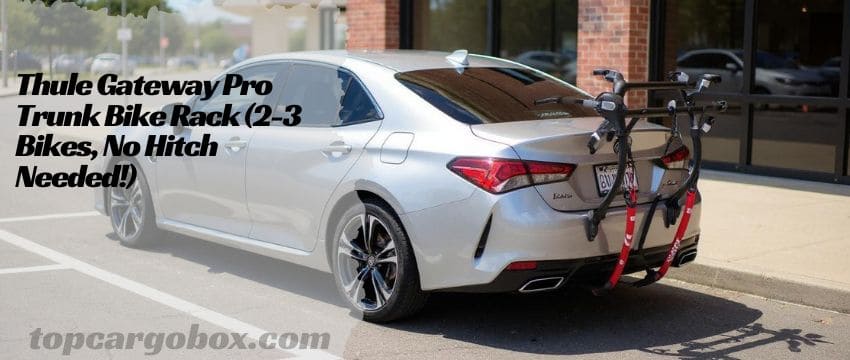
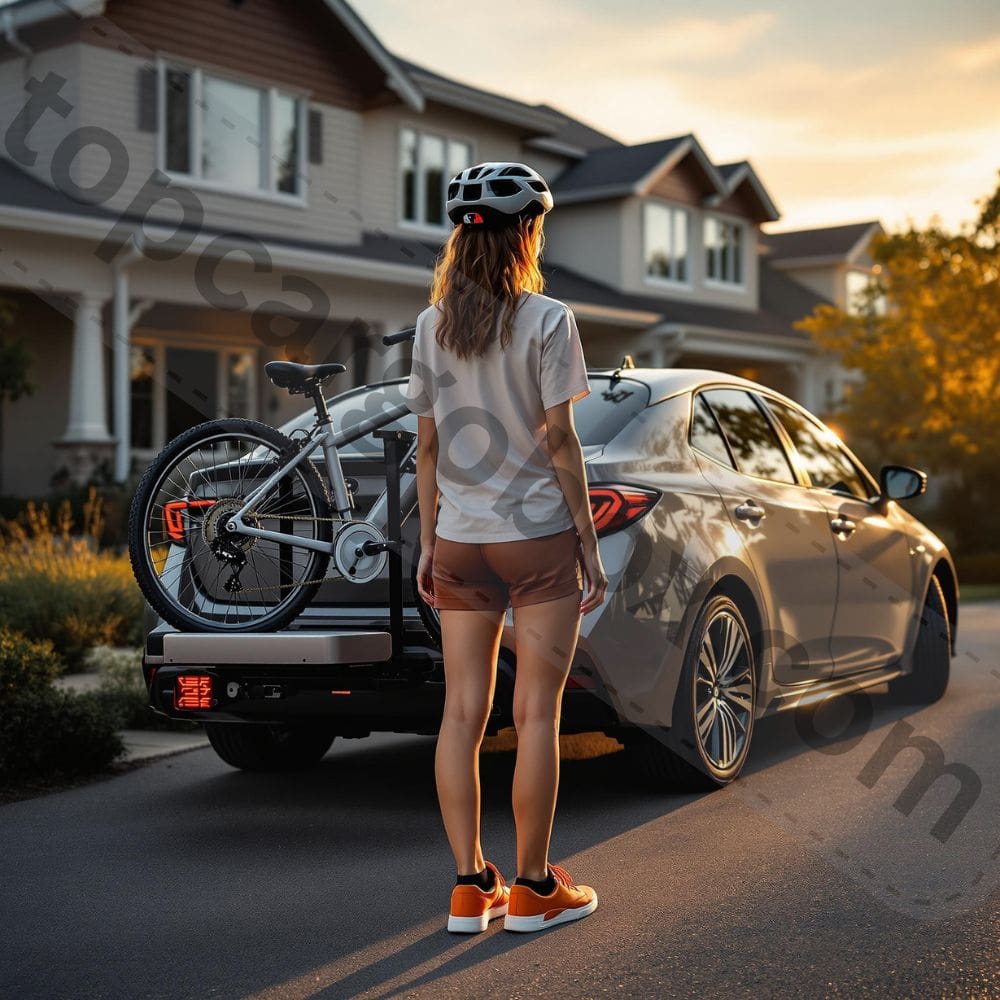
Okay, trunk racks are the classic “cheap and cheerful” option. But do trunk bike racks scratch the car? Honestly, they can, but they absolutely don’t have to if you choose wisely and use them right. The key is maximizing padding and minimizing direct contact. For real? Yes! Look for racks that boast thick, dense foam padding (not just thin, cheap fabric) covering every single point that touches your car – especially the top and bottom trunk edges, and any side arms near rear panels or windows. Rubberized or soft plastic hooks where straps connect are crucial too, preventing metal-on-paint disasters.
Proper strap management is non-negotiable. Straps should be wide, smooth, and secure tightly without twisting. Always double-check nothing is pinched under the trunk lid! Installation is everything. Take the extra 5 minutes to ensure the rack is perfectly centered and the pads are firmly seated on clean paint before tightening everything down. Give the whole rack a firm shake – if it moves excessively, tighten those straps! Avoid overloading it beyond its capacity; forcing extra bikes on stresses the straps and pads, increasing scratch risk. Models like the Saris Bones series are famous for their thoughtful padding design, showing trunk racks can be gentle. Learn more about the popular Saris Bones rack.
Roof Racks: Out of Sight, But Not Out of Mind
Roof racks? Totally keep the bikes off the car body entirely, right? Well, mostly. The rack system (crossbars and bike carriers) mounts to your roof rails or fixed points. So, the bikes themselves are up high, clear of your paint. Awesome! But, here’s the catch: installing the crossbars and the bike carriers themselves can involve contact points or require clamping mechanisms that, if not carefully handled or padded, could potentially mar the finish around the mounting points or roof rails during install or removal.
It’s usually less of a daily scratching risk compared to trunk racks, but more about potential installation scuffs or damage if components shift. The bigger paint risk with roof racks is actually you – lifting bikes up and down. A slipped pedal or handlebar can easily smack your door, roof, or rear quarter panel. Ouch! Requires some careful maneuvering. While not always the absolute cheapest option, basic roof systems can be found affordably. Just be mindful during setup and bike loading!
Non-Scratch Features to Demand (Even on a Budget)
Alright, so you’re hunting for that sweet spot: affordable and paint-safe. What features are non-negotiable? Let’s break it down. Thick, High-Density Padding: Forget flimsy foam. Look for pads that feel substantial, almost like a yoga mat thickness, covering every potential contact zone. Rubberized Hooks & Straps: Anywhere metal touches your car (like strap hooks or adjustment buckles) needs a rubber boot or coating. Straps themselves should be wide (1.5 inches or more) and have a smooth, non-abrasive backing. Conforming Design: Pads should be shaped to cradle common car contours (like trunk lips) rather than just being flat blocks.
Some trunk racks have articulated arms that adjust to different car shapes, distributing pressure better. Secure Attachment Points: The rack shouldn’t rely only on friction from straps. Look for positive hooks or clips (padded, of course!) that securely grab under the trunk lip or bumper edge, reducing slippage. Sturdy Construction (Minimal Flex): A rack that wobbles like crazy isn’t just annoying; it increases the chance of pads shifting and metal parts making contact. Look for decently thick tubing and robust joints. Protective Films (DIY Bonus): Consider applying clear paint protection film (PPF) or even thick vinyl tape where the rack pads touch your car. Cheap insurance! Found a rack that ticks most of these boxes? You’re on the right track.
Top Budget Picks Known for Paint Protection
Ready for some legit recommendations? Based on features, user reviews focusing on paint safety, and affordability, here are a few solid contenders:
- Allen Sports Deluxe Trunk Racks (e.g., Ultra or Deluxe Models): These are often the go-to budget trunk racks. Why? They typically feature really thick foam padding covering the main contact bars and hooks. The straps are decently wide, and the design is simple and proven. While not ultra-premium, they consistently get praised for not scratching when installed carefully on compatible vehicles. They offer models for 2, 3, and even 4 bikes. Check out the Allen Sports Deluxe 4-Bike Hitch Rack (note: some Allen models are hitch too!).
- Saris Bones EX Trunk Rack: Okay, slightly higher than “super cheap,” but often found on sale and worth every penny for paint protection. This is the gold standard for trunk rack padding. Its unique, sculpted arms use super thick, dense rubber pads that conform incredibly well to your car’s shape. The design minimizes pressure points and the straps are top-notch. Users rave about zero scratches, even after years of use. It’s an investment in peace of mind. Learn more about the Saris Bones rack.
- Swagman XC Cross-Country Hitch Rack: For an entry-level hitch option, the Swagman XC is a great value. It’s a hanging-style hitch rack, meaning bikes hang by the top tube. Key for paint? It keeps the bikes completely off your car. The rack itself connects only to the hitch receiver. It features basic padding on the cradles to protect your bike frames. Simple, effective, and avoids car contact altogether. See the Swagman XC Cross-Country 2-Bike Rack.
- MaxxHaul Hitch Mount Racks (e.g., 50025 Model): Another super budget-friendly hitch option. It’s a platform-style rack (bikes rest on wheels) offering great value. Paint win? Again, no contact with your car. It secures solely to the hitch. While not as feature-rich as pricier platforms, it gets the job done safely for your paint. Explore the Maxxhaul 50025 Hitch Mount Bike Rack.
- Jayeuw Trunk Rack: This is a newer contender often found online. Reviews suggest it uses surprisingly thick padding at contact points for its low price. It often features rubberized hooks and wider straps than the absolute cheapest options. Definitely worth a look if you find a good deal, but double-check recent reviews for your specific car model. Check out the Jayeuw Trunk Bike Rack.
Table: Key Features of Paint-Safe Budget Racks
Feature | Why It Matters for Paint Protection | Look For… |
|---|---|---|
Contact Padding | Prevents direct scraping and absorbs vibration. | Thick, dense foam or rubber covering ALL contact points (bars, hooks). |
Strap Quality | Wide, smooth straps distribute pressure and don’t cut; secure attachment prevents slippage/rubbing. | Wide (1.5″+) straps with rubber-coated hooks/buckles. |
Mounting Security | Minimizes rack movement (wobble) that causes pads to shift and scrape. | Sturdy frame, secure hitch pin (hitch), positive hooks (trunk). |
Conforming Design | Pads mold to your car’s curves, reducing pressure points. | Articulated arms (trunk), contoured pads. |
No Direct Contact | The ultimate protection! (Hitch/Roof) | Rack attaches only to hitch receiver or roof bars. |
Installing Your Rack Like a Pro (No Scratches Allowed!)
You’ve got your rack – awesome! Now, how do you keep your bike rack from scratching your car during install and use? It’s not rocket science, but doing it right matters. First things first: CLEAN YOUR CAR where the rack will touch. Seriously, wipe down the trunk lip, bumper edges, or roof rails with soap and water, then dry thoroughly. Any dirt trapped under pads becomes instant sandpaper. Unpack the rack carefully and identify every point that makes contact with your car. Lay out all the pads and straps. Follow the manual step-by-step, but pay extra attention to pad placement. Position the rack loosely first, ensuring pads are squarely on the painted surfaces they’re meant to protect – not on trim, not half-on/half-off. Slowly tighten straps evenly.
Don’t crank one side down super tight first; alternate and gradually increase tension on all straps to distribute pressure. Once tight, grab the rack firmly and try to shake it side-to-side and up-down. It should be solid with minimal movement. If it shifts a lot, find where the slack is and tighten those straps more. Double-check that no straps are twisted and that no metal parts (buckles, hooks) are touching paint – they should only touch rubber pads or the designated plastic/rubber guards. Give it a quick visual once-over from different angles. Feeling confident? Good to go!
Keeping Your Rack (and Your Paint) Happy Long-Term
So you nailed the install? Awesome! But hey, let’s be real for a sec – how do you feel about just leaving that rack chilling on your car all the time? Especially if it’s a trunk rack, that’s kinda asking for trouble down the road. Think about it: the sun just bakes away day after day, drying out those protective pads until they crack and turning the plastic parts brittle. Total buzzkill, right? Plus, all sorts of grime and grit sneak underneath the pads, basically making a nasty little sandpaper paste that grinds into your paint every time you hit a bump. Not cool. And honestly, it’s like putting a big “steal me” sign on your car, plus it absolutely murders your gas mileage – we’re talking real money flying out the window there. For real, do yourself a solid: if you know you won’t need it for a few weeks, like between those weekend adventures, just take the few minutes to pop it off. Your paint and your wallet will thank you big time.
Okay, so you’ve taken it off – nice! Now, how do you keep that rack in fighting shape? It’s honestly no big deal, just a tiny bit of basic TLC. First up, grab a damp cloth and give those contact pads a good wipe down; get rid of all the road gunk and dirt hiding there. While you’re at it, give the straps a once-over. Are they starting to look frayed or feel super stiff? That’s your cue they might need attention soon. Every once in a while, give the whole rack a gentle bath with some mild soap and water, rinse it super well, and let it air dry completely before you stash it away.
Here’s the kicker though: pay super close attention to those pads. If they start looking cracked, squished flat, or have any tears, replace them immediately! Worn-out pads turn into scratch monsters faster than you can say “oops.” Don’t forget any moving bits either – like the hitch lever or tilt mechanism. A quick shot of silicone spray (just like the manual says) keeps things smooth. Seriously, this little bit of care goes miles in keeping both your rack reliable and your car looking sharp.
We’ve all been tempted by the convenience of leaving it on, right? But honestly, peeling it off when it’s not in active duty is the smart move. Beyond saving your paint from that gritty grinder under the pads and stopping the sun from wrecking the materials, you’re dodging a bullet with fuel costs. That rack hanging off the back creates drag, and drag means your engine works harder, guzzling more gas. Off the top of my head, leaving a trunk rack on permanently could easily add 10-15% or more to your fuel bill over time – that’s extra cash literally evaporating! Plus, constantly driving around with it makes your car stand out to potential thieves looking for an easy score. Taking those few minutes to remove it between trips? It’s like preventative maintenance you can actually see (and feel in your bank account). Get into the habit – your future self will high-five you for avoiding unnecessary wear, tear, and expense. Get detailed tips on cleaning and maintaining your rack.
The Hitch vs. Trunk Showdown: Paint Protection Edition
Still debating between hitch and trunk? Let’s cut to the chase on paint safety. Hitch racks win hands-down for minimizing paint contact risk. They attach to the receiver, keeping the rack and bikes completely off your car’s painted surfaces. Zero chance of pad slippage causing scratches. They’re generally more stable, reducing vibration-related wear. Trunk racks, however, require contact with your trunk lid and often rear panels. While good ones with excellent padding can be safe, the potential for damage is inherently higher.
Factors like pad quality, installation precision, car shape compatibility, and strap tension all play critical roles. Hitch racks often cost more upfront (need the hitch receiver installed), but the rack itself can be found affordably. Trunk racks are usually cheaper initially but carry that slight, constant risk factor. If protecting your paint is your absolute #1 priority and you drive a lot with bikes, a hitch rack is the way to go. If budget is super tight and you only carry bikes occasionally, a high-quality trunk rack installed meticulously can work. See our full hitch vs. trunk rack comparison and which wobbles less.
Beyond Scratches: Other Rack Realities
Protecting your paint is huge, but let’s be real, there are other things to consider when choosing any rack, cheap or not. Do bike racks affect gas mileage? Absolutely, yes. Anything sticking off your car creates drag. Off the top of my head, expect a noticeable hit, especially at highway speeds. Hitch racks might cause a 5-10% MPG drop. Trunk racks disrupt airflow more and can cause 10-15% or even higher loss. Roof racks are often the worst offenders, sometimes 15-25% MPG reduction! It depends on the rack design, bike count, and your driving speed. Totally something to factor in for long trips.
Is it illegal to drive with a bike rack? Generally, no, but rules vary state-by-state. Common laws involve obscuring license plates or tail lights. Always ensure your plate and lights are fully visible! Many racks have solutions like light kits or plate extenders. Some states have specific laws about how far bikes can extend beyond the bumper. Check your local bike rack laws state-by-state before hitting the road. Also, be mindful of bike rack weight limits – exceeding them is unsafe and can damage your rack or car. Understand the weight limits for safety.
Can you go through a car wash with a bike rack?
Oh snap! This is a big one. Can you go through a car wash with a bike rack? Generally, NO. Automatic car washes (especially tunnel washes with brushes or aggressive cloths) are almost guaranteed to damage your rack, your bikes, and potentially your car. The high-pressure sprays, moving brushes, and tight confines are a recipe for disaster. Forget it if you have bikes loaded! Even an empty rack is risky – brushes can snag and break components, and high-pressure water can force its way into places it shouldn’t, potentially causing damage or loosening the rack. Hand washing is always the safest bet when you have a rack attached (without bikes!). If you must wash the car with the rack on (empty!), a touchless automatic wash might be less risky, but still not recommended by most rack manufacturers. Always check your specific rack’s manual. Seriously, just wash it by hand. Get tips on washing your car with a rack attached.
Finding the Perfect Fit: Vehicle-Specific Tips
Not all racks play nice with all cars. That sleek Prius or rugged Outback might need special consideration. What’s up with spoilers, rear cameras, or unique trunk shapes? They can totally mess with trunk rack compatibility. Always check the rack manufacturer’s fit guide for your specific make, model, and year! Spoilers are a major headache for trunk racks – many simply won’t fit safely or will put pressure on the spoiler. Hitch racks are often the solution here. For popular models like the Subaru Outback or Crosstrek, Toyota Prius, RAV4, or Highlander, we have dedicated guides to the best-fitting racks: Subaru Outback Racks, Subaru Crosstrek Racks, Toyota Prius Racks, Toyota RAV4 Racks, Toyota Highlander Racks. Even Mini Coopers have options! Check them out. Small cars? Don’t despair! There are space-saving bike racks for small cars too. Finding a rack designed or confirmed to fit your vehicle is crucial for both security and paint protection.
Conclusion: Ride More, Worry Less (Without Breaking the Bank)
Alright, let’s get real about locking down that budget rack without trashing your ride’s finish. Finding a wallet-friendly bike carrier that actually plays nice with your paint isn’t some impossible dream. Seriously, it’s totally within reach if you know what to hunt for. Think about it: Ever feel like every cheap rack is secretly plotting against your car’s shine? The trick is getting savvy about the real troublemakers – those scratch-happy hard contact spots, gritty dirt getting trapped, and flimsy straps just begging to rub. Stop settling for junk! Demand racks loaded with legit thick padding everywhere it touches your metal, rubber armor over any metal hooks, and a rock-solid fit that doesn’t wobble like crazy when you drive.
How do you feel about hitch racks? Honestly, they’re usually the MVP for keeping things scratch-free since they bolt right into the receiver, completely avoiding your paint. Trunk racks can work, but only if they’ve got mega padding and you install them like a pro, every single time. Nice try cutting corners here – a clean mounting surface, perfectly even strap tension, and that crucial shake-down test to check for slippage are non-negotiable steps. Brands like Allen Sports, Saris, Swagman, and MaxxHaul get it; they offer solid protection without the crazy price tag, if you use ‘em right. Don’t ghost basic upkeep either! A quick wipe-down of the pads after muddy trips, checking straps for wear, and swapping out cracked pads before they become scratch machines keeps everything safe.
For real, take the rack off between those big adventures – leaving it baking in the sun dries out the pads, traps grime underneath that grinds into your clear coat, screams “steal me!” and drags down your MPG by 10-15% or more. And whatever you do, skip the quick tunnel wash when the rack’s attached unless you fancy explaining busted parts to your insurance. Is spending a few extra minutes on setup and care worth dodging body shop bills? Absolutely. Grab your helmet, snag a rack you actually trust, and get rolling without constantly glancing back for new paint disasters.
Your Burning Bike Rack Questions, Answered
How do I keep my bike rack from scratching my car?
You gotta be proactive, friend. Start by refusing any rack without serious padding – thick foam or rubber must cover every single spot where it meets your paint. No metal or hard plastic should ever touch your ride. When installing, clean those contact zones like your car’s life depends on it (because kinda does), slap the pads down perfectly on bare paint – not trim! – and crank those straps down evenly and tight. Don’t skip the shake-down test! Wrestle that rack side-to-side after installing – if it jiggles a lot, tighten it up until it’s solid. Check those pads often – if they’re flattened, torn, or look crumbly, swap ’em out fast. Worn pads are scratch factories waiting to happen. And for real, take the rack off when you’re not hauling bikes for weeks. Leaving it on just invites UV damage and grit buildup under the pads that’ll grind away your clear coat. It’s all about smart gear and taking those extra minutes seriously.
Do trunk bike racks scratch the car?
Honestly? They can, but they don’t have to be the enemy. The risk is higher ’cause they’re literally leaning on your trunk lid and rear panels. Cheapo racks with flimsy pads or crappy straps? Total scratch magnets. But higher-tier trunk racks like the Saris Bones or well-padded Allen Sports models, when you install ’em just right on a compatible car, slash that risk way down. The magic combo? Mega-thick padding smothering every contact point, rubber-coated hooks so metal never kisses paint, wide smooth straps pulled tight and even, and making sure the rack actually fits your car’s shape (spoilers are tricky!). Staying vigilant during setup and checking pad health regularly is non-negotiable. Get lazy, and yeah, you might get scratches.
Is it illegal to drive with a bike rack?
Driving around with an empty rack? Usually fine, legally speaking. The real headache comes with what your rack or bikes might hide. Blocking your license plate or tail lights (brakes, turn signals)? That’s a guaranteed ticket anywhere if a cop spots it. For real? Yep. Lots of states also have rules about how far stuff can stick out past your bumper – often around 4 feet, but you gotta check your own state’s rules. Some even demand a red flag on super-long loads. Bottom line: Always make sure your plate and every single light are 100% visible. Use a light kit, a plate extender, or pick a rack design that doesn’t obscure anything. Don’t guess – know your local laws before you roll out loaded up.
Is it okay to leave a bike rack on a car?
Popping it off between weekend trips? Smart move. Leaving it on 24/7/365? Asking for trouble, especially trunk racks. The sun absolutely murders foam and rubber pads over time – drying ’em out, making ’em crack, turning plastic brittle. Dirt and road grime sneak under the pads and just sit there grinding into your paint like sandpaper every time you drive. Plus, it’s basically a “steal me” sign for your rack (or tempts thieves to peek inside). Oh, and it murders your gas mileage constantly from the extra drag. Hitch racks are slightly less risky paint-wise (no direct contact), but they still bake in the sun and guzzle gas. Save your rack, your paint, and your cash – pull it off when you know it’ll be sitting idle for weeks or more.
Do bike racks affect gas mileage?
For real? Absolutely, they guzzle more gas! Any rack sticking off your car messes with the airflow, creating drag. That means your engine works harder, burning more fuel to keep speed. How bad is it? Off the top of my head:
- Hitch Racks: Usually the lightest hit. Maybe 5-10% MPG drop, especially sleek platform styles.
- Trunk Racks: Worse than hitches. Often 10-15% or more lost, ’cause they sit up higher wrecking airflow.
- Roof Racks: Almost always the gas-guzzling champs. Expect 15-25% or higher MPG loss, especially with bikes adding bulk. More bikes + faster speeds (think highway cruising) = way bigger hit. It’s a legit cost for road trips!
Can you go through a car wash with a bike rack?
Just… don’t. Seriously. Automatic washes, especially the ones with brushes, spinning cloths, or tunnels? Total disaster waiting to happen if your rack’s attached (bikes on or off!). Those high-pressure jets can blast water deep into places it shouldn’t go, messing up the rack or your car. The brushes and cloths will grab onto rack arms, bike parts, wheels, or straps – bending, breaking, or ripping stuff right off. Even “touchless” washes use crazy-high pressure that isn’t rack-friendly. The only safe way? Hand wash only, and be super gentle near the rack. Save yourself the heartache and huge repair bill – unhook the rack completely before you even think about a car wash.

Our team is creating outdoor-gear relevant articles with passion. If our articles can help you to find the correct solutions for your questions, we will be happy about that. In the content creation process, we usually collect accurate and useful information online or offline to compile our content in an organized way. Consequently, we can guarantee that you can discover some expected answers to your questions. We appreciate your time on our site.